Groundbreaking analysis shows how the “rivers in the sky” connect the fate of the entire rainforest and identify which regions are most at risk.
Washington, DC, 16 Sept 2025 – The Amazon will not collapse everywhere at the same time. A new special report by Amazon Conservation’s Monitoring of the Andes Amazon Program (MAAP) reveals how “flying rivers” determine which regions of the Amazon are most at risk of reaching the tipping point that will turn irreplaceable rainforests into dry savannas.
“Flying rivers” are moisture highways in the atmosphere, like rivers of rain in the sky, that travel from the Atlantic Ocean to the Andes Mountains and provide vital water resources to the nine countries that form the Amazon Basin. They are the silent and invisible force that drives the water cycle of the entire region, making the rainfall that gives the Amazon its title of “rainforest” possible. As this delicate “flying river” is disrupted by human-caused deforestation and the effects of climate change, the impact on people, nature, and wildlife will be catastrophic, potentially including species extinction, increased droughts and lack of water access, and the end of the forest as we know it.
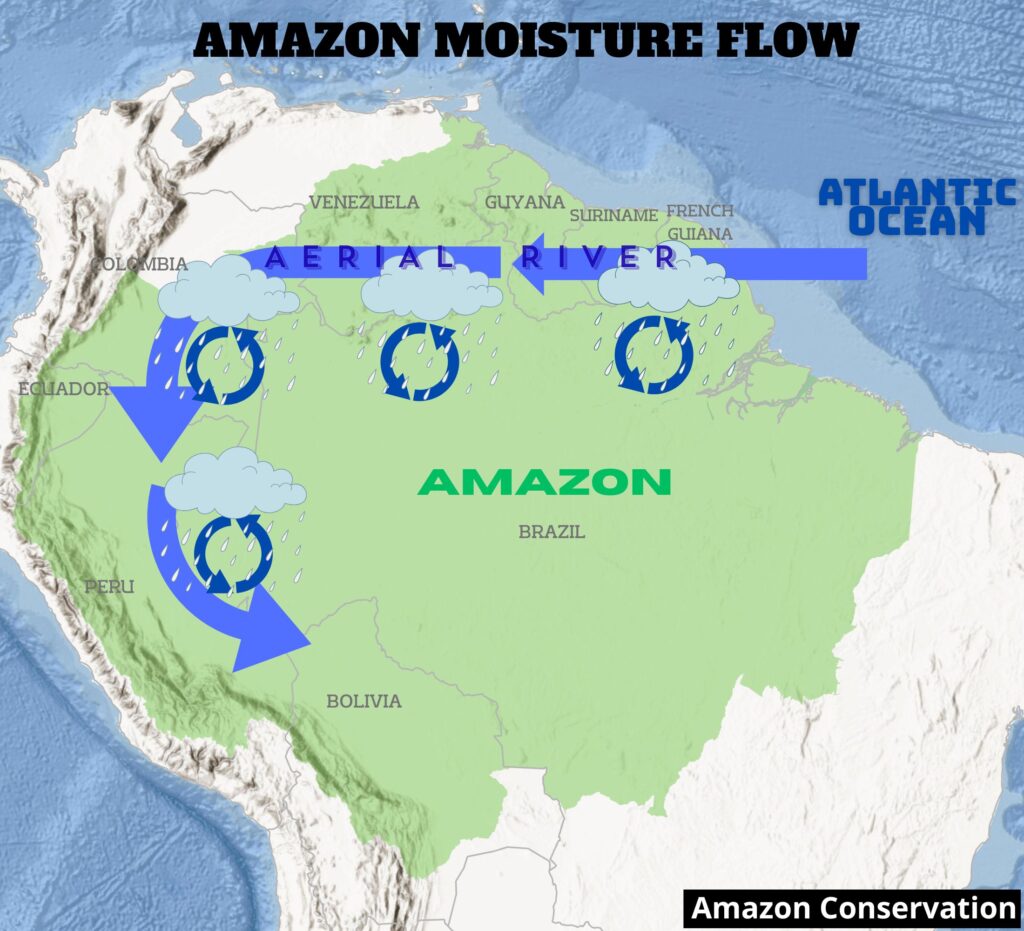
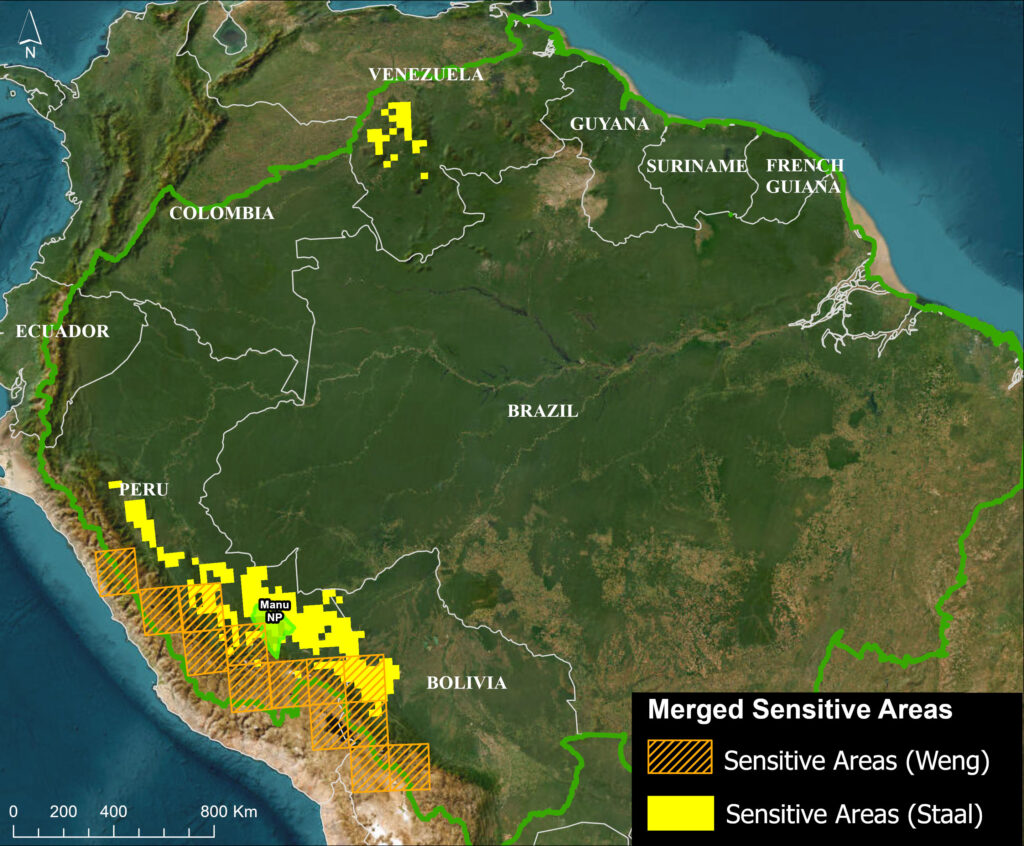
Amazon Conservation’s latest analysis has identified that key areas of the Peruvian and Bolivian Amazon are most susceptible to the negative consequences of the breakdown of the region’s flying rivers. This includes areas in southern Peru and northern Bolivia that are home to some of the most iconic and biodiverse places on the planet, such as Manu National Park and Madidi National Park, which together protect 8.9 million acres of rich forests from the high Andes to the lowland Amazon.
Corine Vriesendorp, Director of Science at Amazon Conservation’s Peruvian sister organization Conservación Amazónica-ACCA, oversees three biological stations along an altitudinal gradient near Manu National Park: “This research shows that some of the most wild places on the planet, like Manu, are at tremendous risk. We need to come together across the whole Amazon to protect these increible flying rivers to have a chance to avoid the tipping point.” The areas identified by this report as most vulnerable to a possible tipping point directly depend on the continued, uninterrupted water cycle provided by these flying rivers, which begins in Amazonian countries that border the Atlantic Ocean, like Brazil and Guyana. The state of deforestation and conservation in these countries on the “eastern” side of the Amazon will determine how much water will get to countries on the “western” side of the region – like Peru and Bolivia – showing the interconnectedness of the rainforest’s ecosystems that goes beyond country borders.
A threat that crosses borders
“The western Amazon relies on flying rivers to bring water all the way from the Atlantic Ocean, crossing millions of acres of forests in the eastern Amazon before it gets there,” said lead author Matt Finer, Senior Research Specialist and Director of Amazon Conservation’s MAAP initiative. “So the survival of rainforests in Peru and Bolivia actually depends on intact forests in Brazil to the east, since if those forests are destroyed, the water cycle that creates the flying rivers is broken, and it can’t reach the western Amazon. It’s all connected.”
Finer highlights that an important contribution of this analysis is that it reveals that, contrary to the common misconception that the tipping point will happen suddenly and uniformly across the region, it will likely happen progressively, beginning in particularly vulnerable areas and escalating from there.
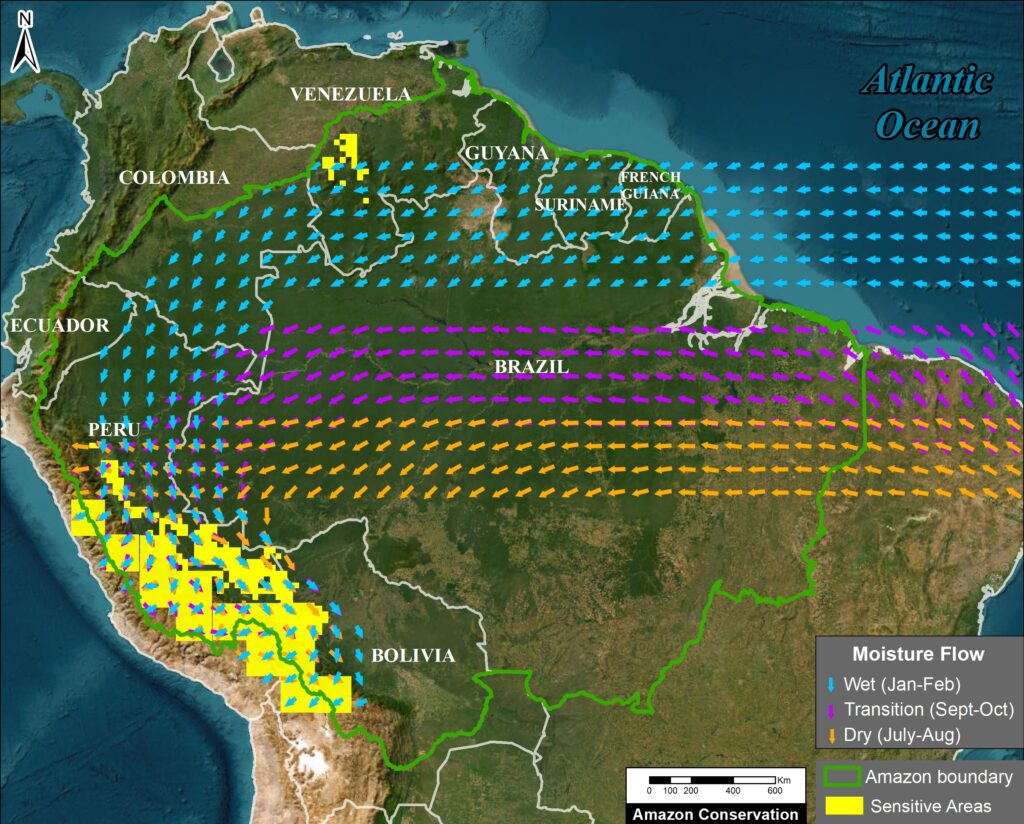
Seasonal shifts will also intensify the impact on these vulnerable areas. As rainforests tend to experience only two seasons (wet, or rainy, and dry seasons), the amount of water carried through the flying rivers is significantly limited during dry seasons, and exacerbated by human-caused deforestation and the effects of climate change, such as droughts.
Daniel M. Larrea, Director of Science and Technology at Amazon Conservation’s Bolivian sister organization Conservación Amazónica–ACEAA, added that “this report sheds light on the critical role that flying rivers play in preserving standing forests and water access in the Amazon. Understanding their dynamics allows us to better protect vulnerable regions in Peru and Bolivia, where conservation is not only a local priority but a regional imperative. Science, innovation, and technology must guide our actions to ensure these forests can survive and thrive for generations to come.”
Urgent call in the run-up to COP30
These findings come at a crucial moment, with COP30 approaching in Belém and countries negotiating their updated Nationally Determined Contributions (NDCs), which establish their climate action plans under the Paris Agreement. It highlights how forest conservation is central not only to climate goals but also to the water security for the millions of people and wildlife that call the Amazon home and for the collective survival of entire ecosystems across country borders. Decisions and policies made by Brazilian authorities will directly shape rainfall patterns in neighboring countries, making international cooperation essential.
This groundbreaking analysis was made possible by the Leo Model Foundation, in collaboration with nine scientists and researchers from across the Amazon Basin. It represents the first comprehensive mapping of flying rivers across wet, dry, and transition seasons, with an extensive literature review.
Read the full report here.
About MAAP
Monitoring of the Andean Amazon Project (MAAP), an initiative of Amazon Conservation, Conservación Amazónica–ACCA (Peru), and Conservación Amazónica–ACEAA (Bolivia), provides cutting-edge, real-time technical analysis on deforestation and fires across the Amazon. MAAP uses satellite imagery, data science, and field information to generate timely reports that support conservation action and policy.
About Amazon Conservation Association
Amazon Conservation is an international conservation nonprofit working for the past 25 years towards building a thriving Amazon. The organization’s holistic approach focuses on working with local partners and allies to protect wild places, empower people, and put science and technology to work for conservation. Visit amazonconservation.org for more information.

 .
. 
 .
. 
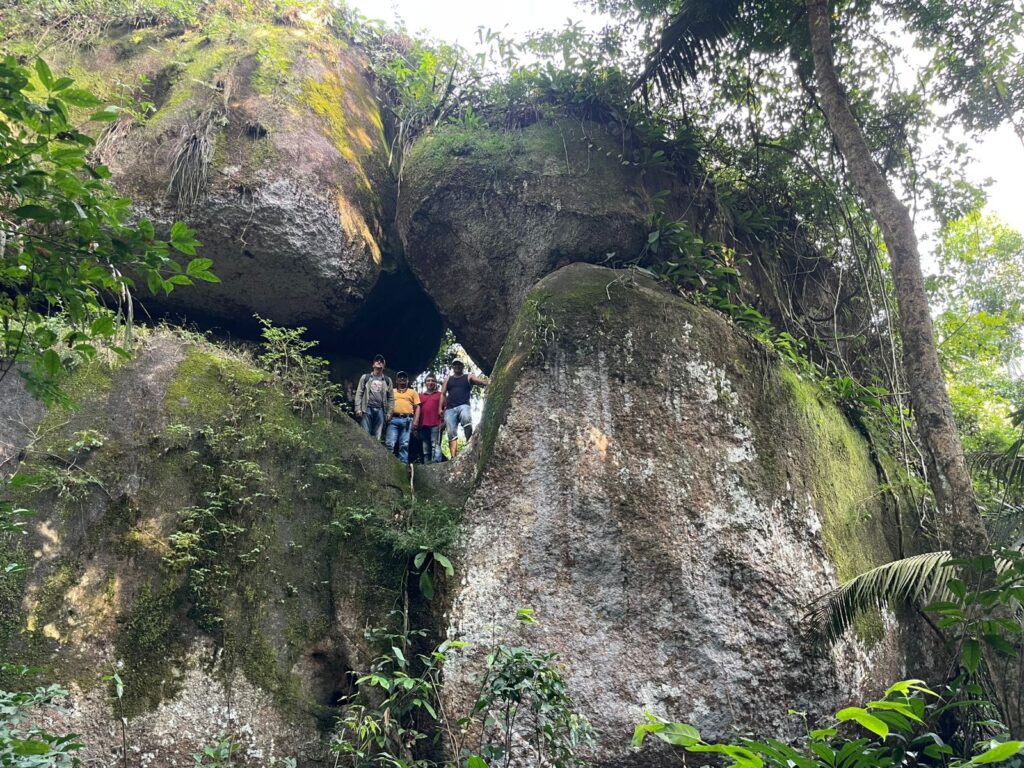
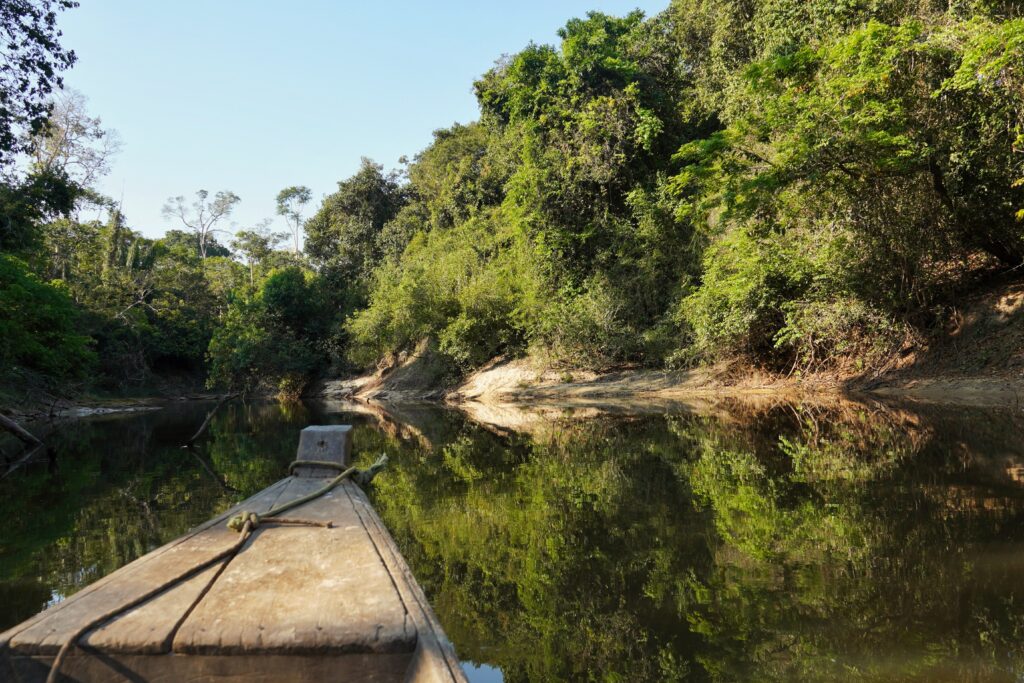 The Tacana II Indigenous Territory is an area of high ecological and strategic importance for the conservation of the Bolivian Amazon. This territory harbors: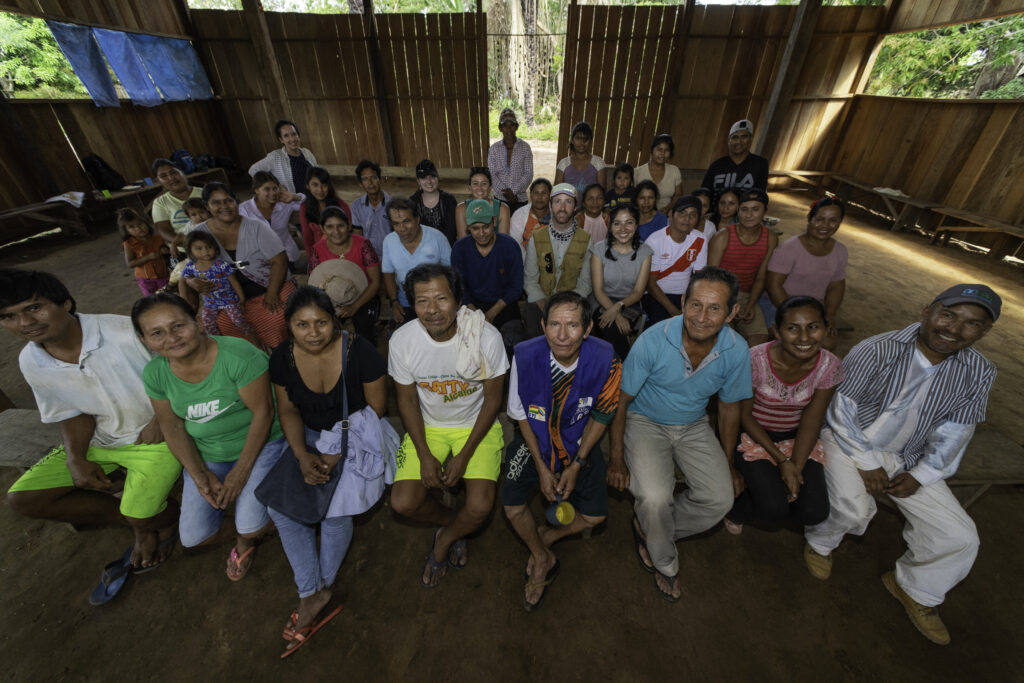
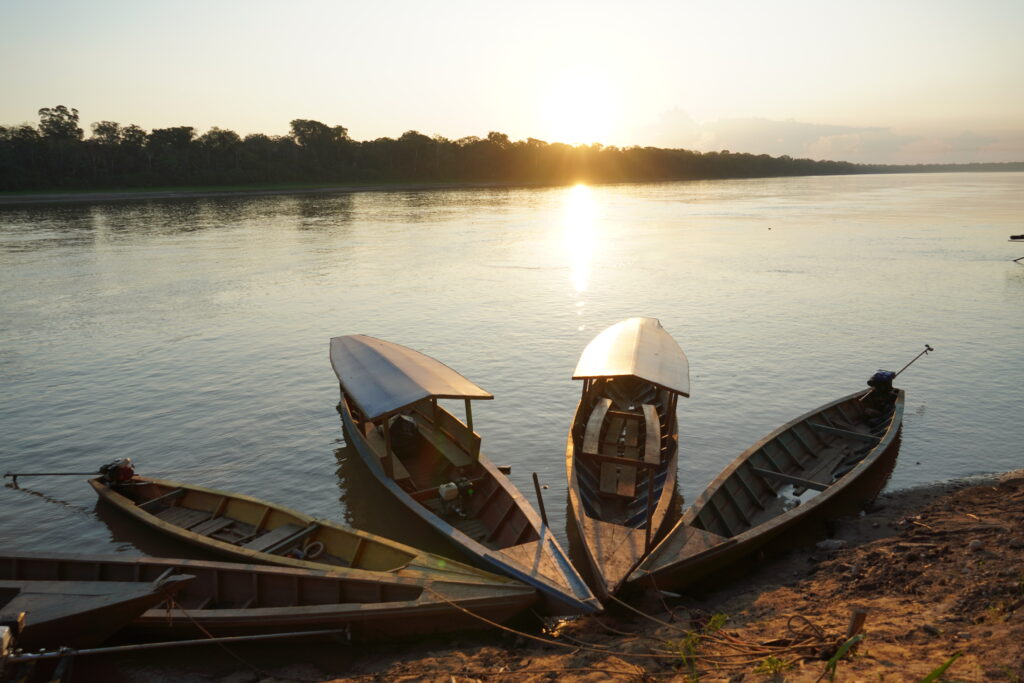
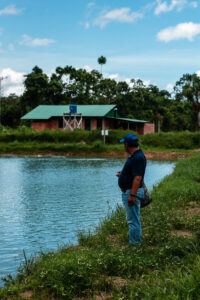 For 25 years, Amazon Conservation has worked hand in hand with Indigenous communities and local partners to protect the Amazon’s most important forests and rivers. Your generosity makes it possible for people across the Amazon to build better futures while protecting the forest we all depend on. Thanks to donors like you, communities are finding sustainable alternatives to destructive industries such as illegal mining and logging.
 Loading...