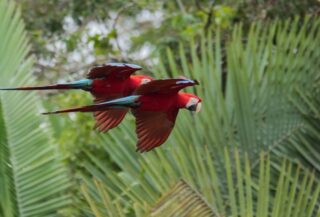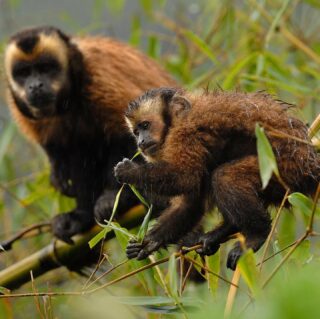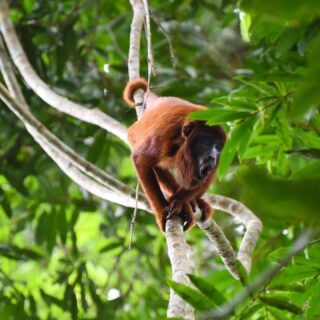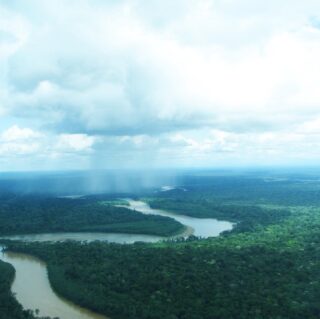
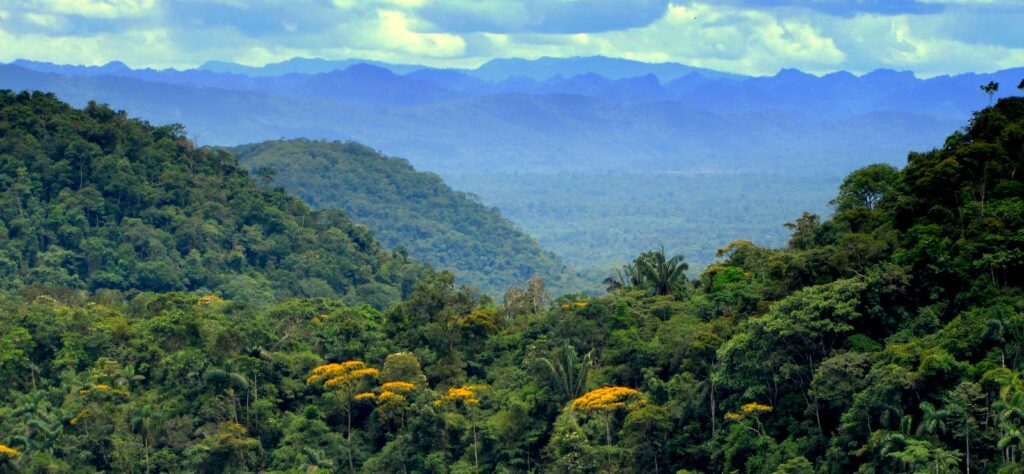
The water that sustains the Amazon Rainforest in Brazil begins its journey thousands of miles away, high in the Andes Mountains of Peru. Rain that falls on the highest peaks, and glacier waters that melt and filter through fragile wetlands called bofedales, slowly make their way down into the rivers and streams that feed the entire Amazon Basin, sustaining its biodiversity and climate along the way. Protect that water at its source, and you protect everything downstream: the forest, the wildlife, and the millions of people who depend on it.
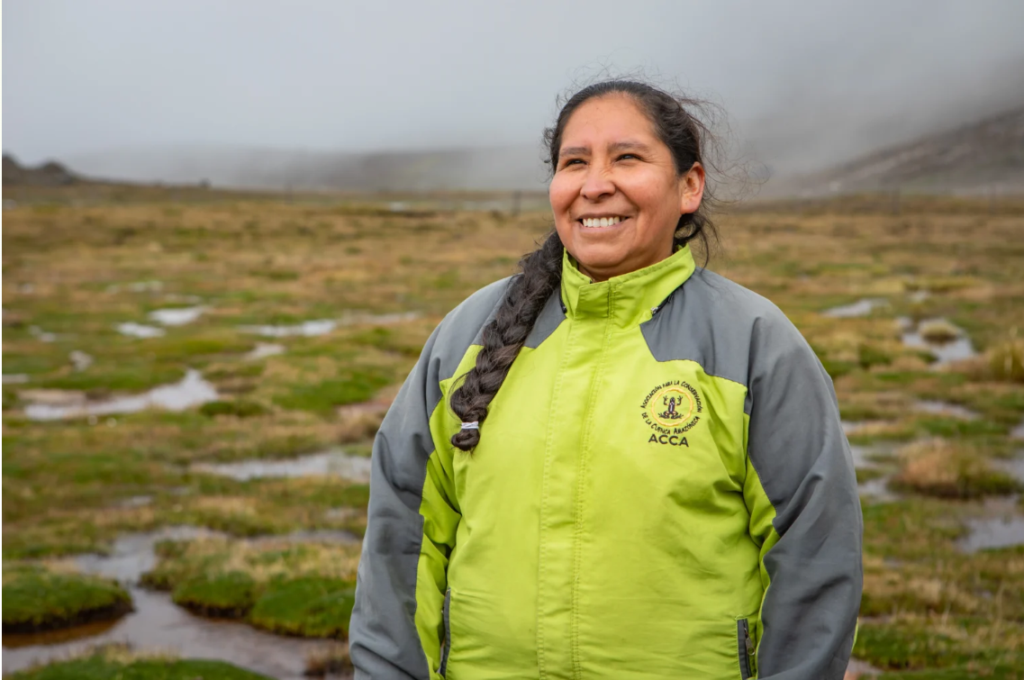
This is the work to which Marlene Mamani has dedicated her career.
Meet Marlene
Marlene Mamani Solórzano is a Peruvian biologist and a Specialist in Andean Restoration and Community Relations with our sister organization Conservación Amazónica–ACCA. For years, she has worked shoulder to shoulder with highland communities in Peru’s Cuzco Department to restore degraded bofedales and high-altitude grasslands, the very ecosystems that store and regulate water for the Amazon below.
Marlene was honored as a 2026 National Geographic Explorer, one of the most significant honors in conservation science, in recognition of her years of work restoring degraded ecosystems in Cuzco and building community capacity to prevent and respond to fire events. It’s a distinction that celebrates people developing real, innovative solutions to understand and protect the planet, and it comes with new funding to expand the work Marlene is already leading alongside Andean communities.
Restoration That Starts With Community
For Marlene, conservation only works when it’s rooted in partnership: between science, traditional knowledge, and the communities who live closest to these ecosystems. That partnership is already producing results. That work includes restoring degraded land and training community fire brigades for the prevention and control of forest fires so that communities are prepared to respond quickly when they’re needed most.
That preparation matters more than ever. With El Niño conditions expected to bring even more severe weather this year, the fire risk in these high-Andean ecosystems is rising, and the communities on the front lines need to be prepared to respond. Thanks to funding from Marlene’s National Geographic Explorer recognition, nine community fire brigades from seven communities across Cuzco are being trained and six hectares of high-Andean bofedales and grasslands in the community of Japu are being restored.
These may sound like small numbers, but bofedales and grasslands punch far above their weight. They store and regulate water, shelter unique biodiversity, and protect sustainable livelihoods for local communities, all while feeding the rivers that sustain the vast Amazon biome.
Marlene says that true conservation happens hand in hand with communities. They know their land; they face its challenges firsthand; and they are essential to finding lasting solutions.
Why This Story Matters for Rise for the Amazon Day
The Amazon gives us so much: clean air, stable climate, unmatched biodiversity. But none of it is possible without water, and that water begins in places like the highlands Marlene works to protect. Her story is a reminder that safeguarding the Amazon means safeguarding it at every level, from the source of its rivers to the depths of its forest.
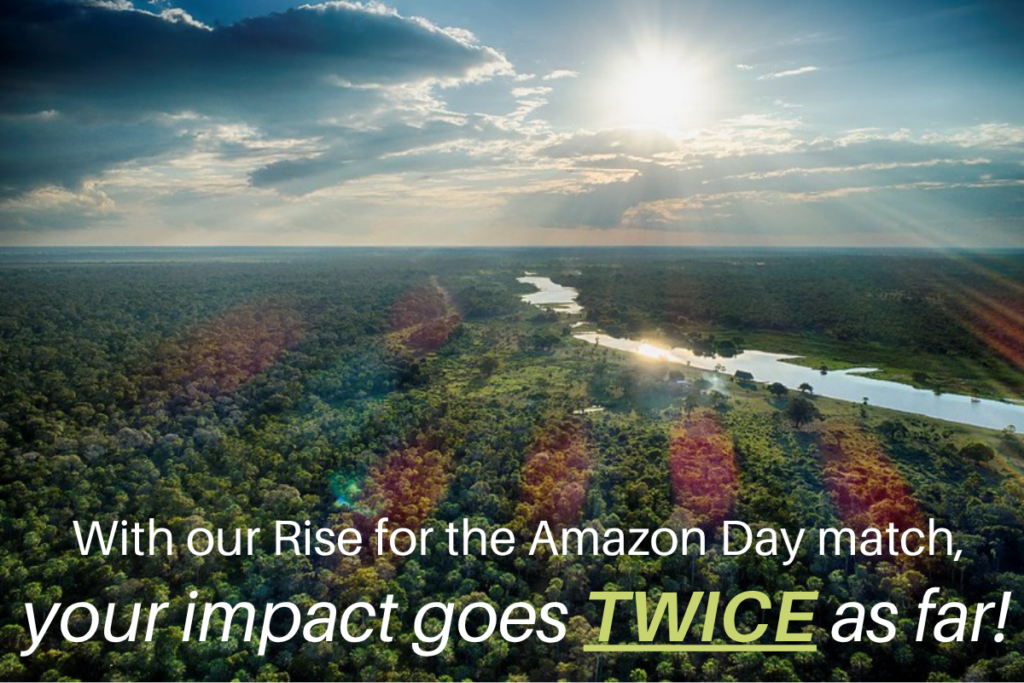
This September 5, you can help carry that work forward. Thanks to a generous donor and our Board of Directors, every gift made for Rise for the Amazon Day will be matched dollar for dollar, up to $20,000, so your support goes twice as far for people like Marlene and the communities she works alongside.
Make a secure gift today and DOUBLE your impact!
Rise for the Amazon Day. September 5.
Protect the Amazon, and all that it provides.
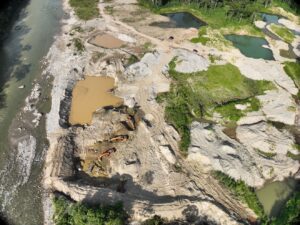 Within the framework of the Monitoring of the Andes Amazon Program (MAAP), Fundación EcoCiencia and Amazon Conservation have documented the continued growth of mining operations in the southern part of Napo province. Satellite data reveal 2,321 hectares affected by mining between January 2017 and March 2026 in five zones within the cantons of Tena and Carlos Arosemena Tola. Of that total, 580 hectares correspond to new mining activity detected during 2025 and the first quarter of 2026.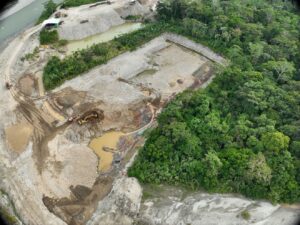
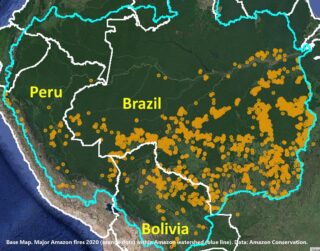
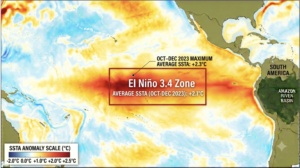 The report finds that the two most severe Amazon fire seasons in recent history, in 2016 and 2024, both occurred immediately after the two strongest El Niño events of the past two decades (2015 and 2023, respectively).
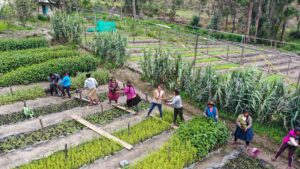 That same principle shapes not only how our staff conceptualizes and implements our own conservation solutions, but also how we work with the local organizations and communities already leading conservation efforts on the ground. Many of the strongest, most effective actors in Amazonian conservation are small, deeply rooted, and under-resourced. They know their landscapes and their communities better than any outside group ever could, but they often lack access to funding at scale, technical training, or the kind of cross-border connections that let good ideas travel. We see our role as bridging that gap. Amazon Conservation brings resources and training that might otherwise be out of reach. We connect partners working on similar challenges in different regions so that hard-won lessons do not stay siloed. And we do this with an eye toward partnership, not transaction. A single funding cycle lasting one or two years rarely changes a region. A relationship built on shared values, sustained over decades, can.
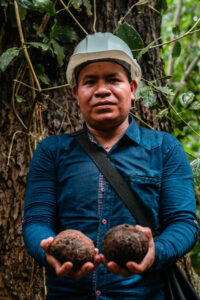 These three commitments distinguish how we work:
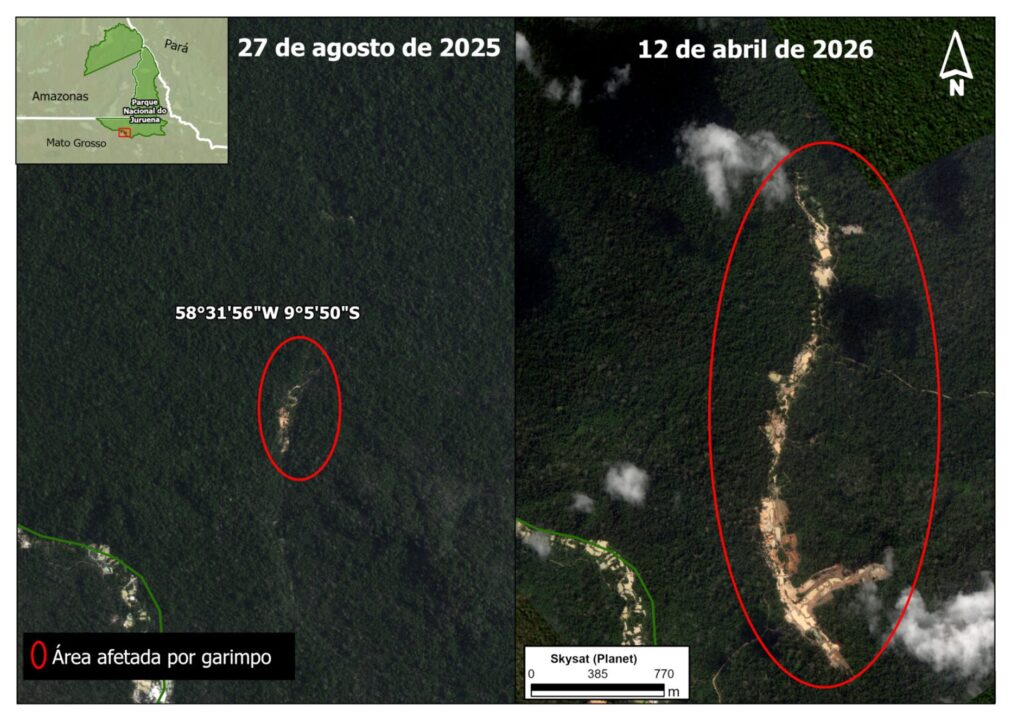 However, the findings show that the rapid expansion of illegal mining is placing increasing pressure on these protected areas, threatening both their ecological integrity and the effectiveness of existing legal protection and enforcement mechanisms.
 Loading...