Block 57 – Repsol
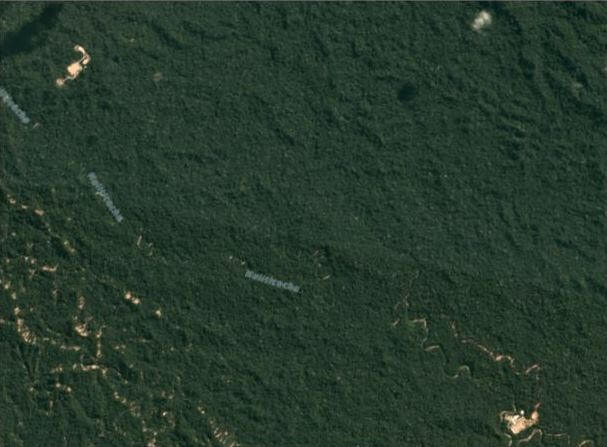
June 2017. Image: Planet
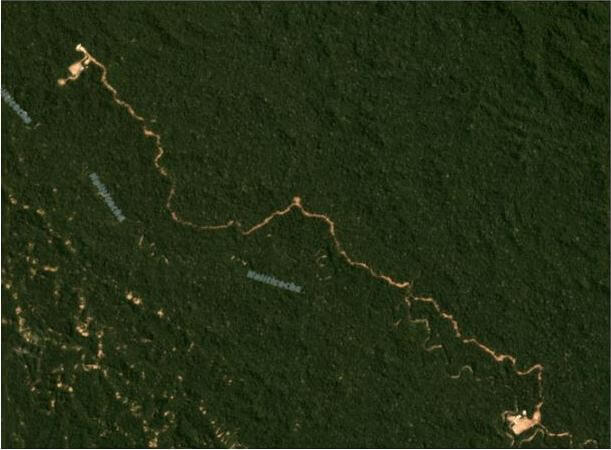
September 2017. Image: Planet
Block 67
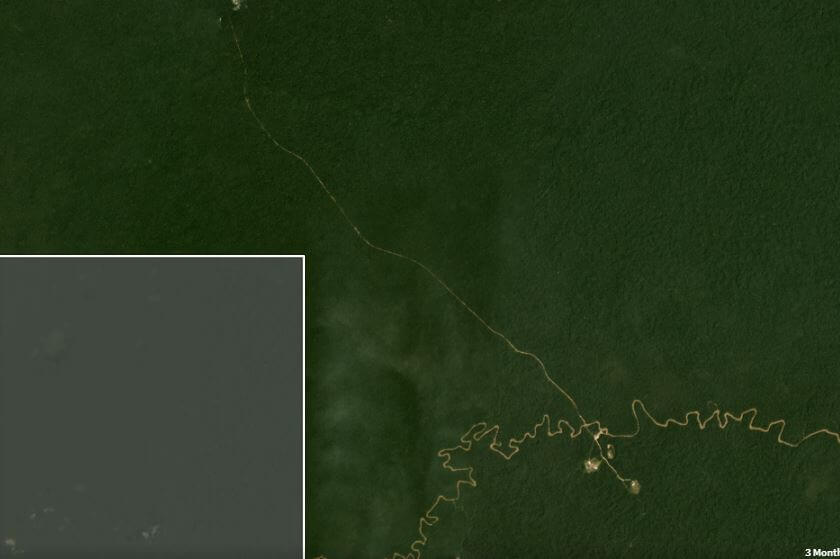
Lote67, February 2018. Image: Planet

In the previous MAAP #56, we showed a series of satellite images of the deadly floods that recently hit northern Peru.
In this report, we show a series of new, very high resolution satellite images (50 cm) of the flooding. They show, in striking detail, some of the local impacts, including to croplands and the Pan-American Highway.
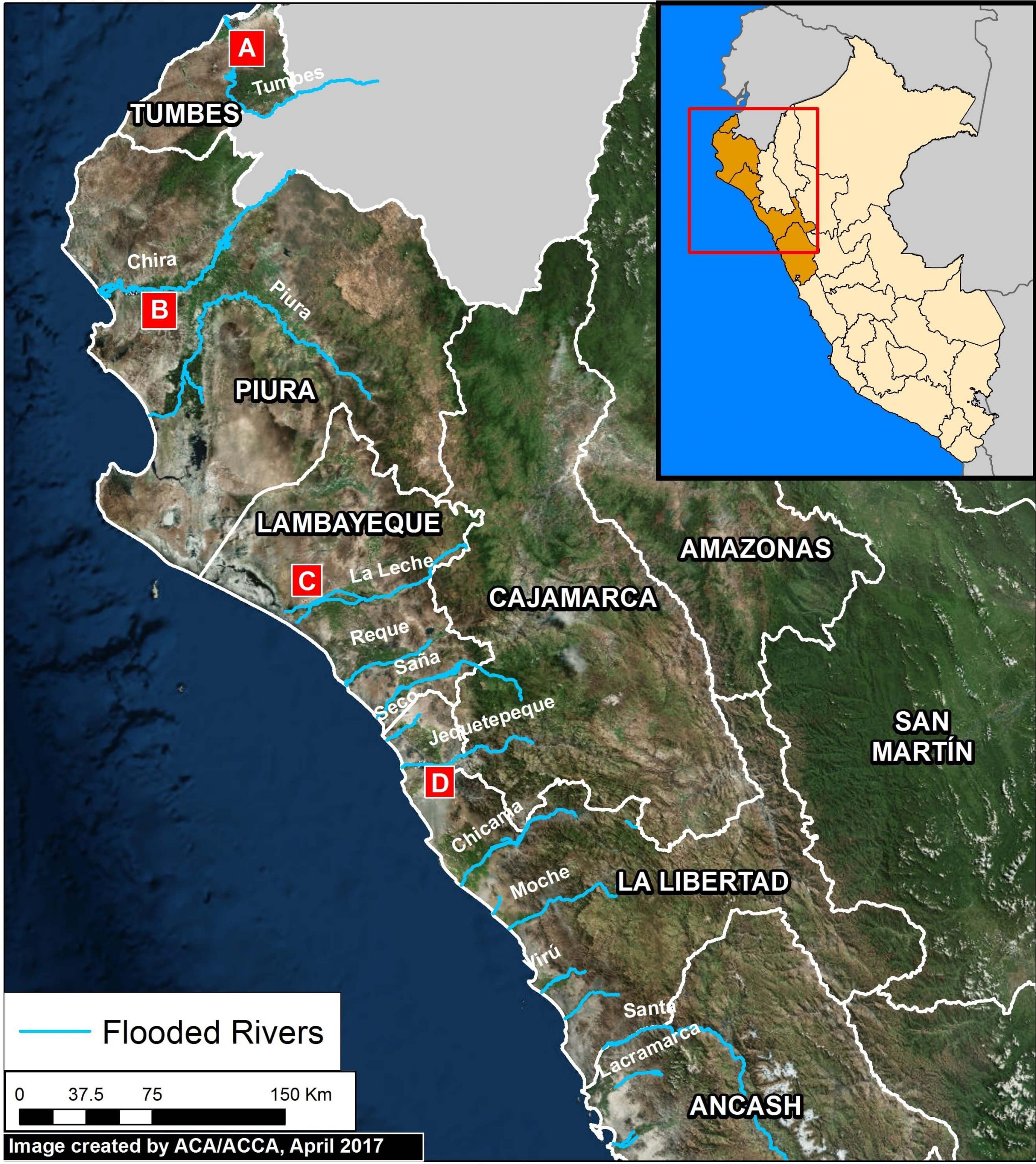
Image 57 shows the 13 rivers that recently overflowed in northern Peru.
Below, we show images of the flooding around four of the rivers, labelled A-D.
Intense rainfall is causing severe and deadly flooding along the northern coast of Peru.
The cause is likely “coastal El Niño,” a phenomenon produced by abnormal ocean warming along the equatorial coast of the Pacific Ocean.
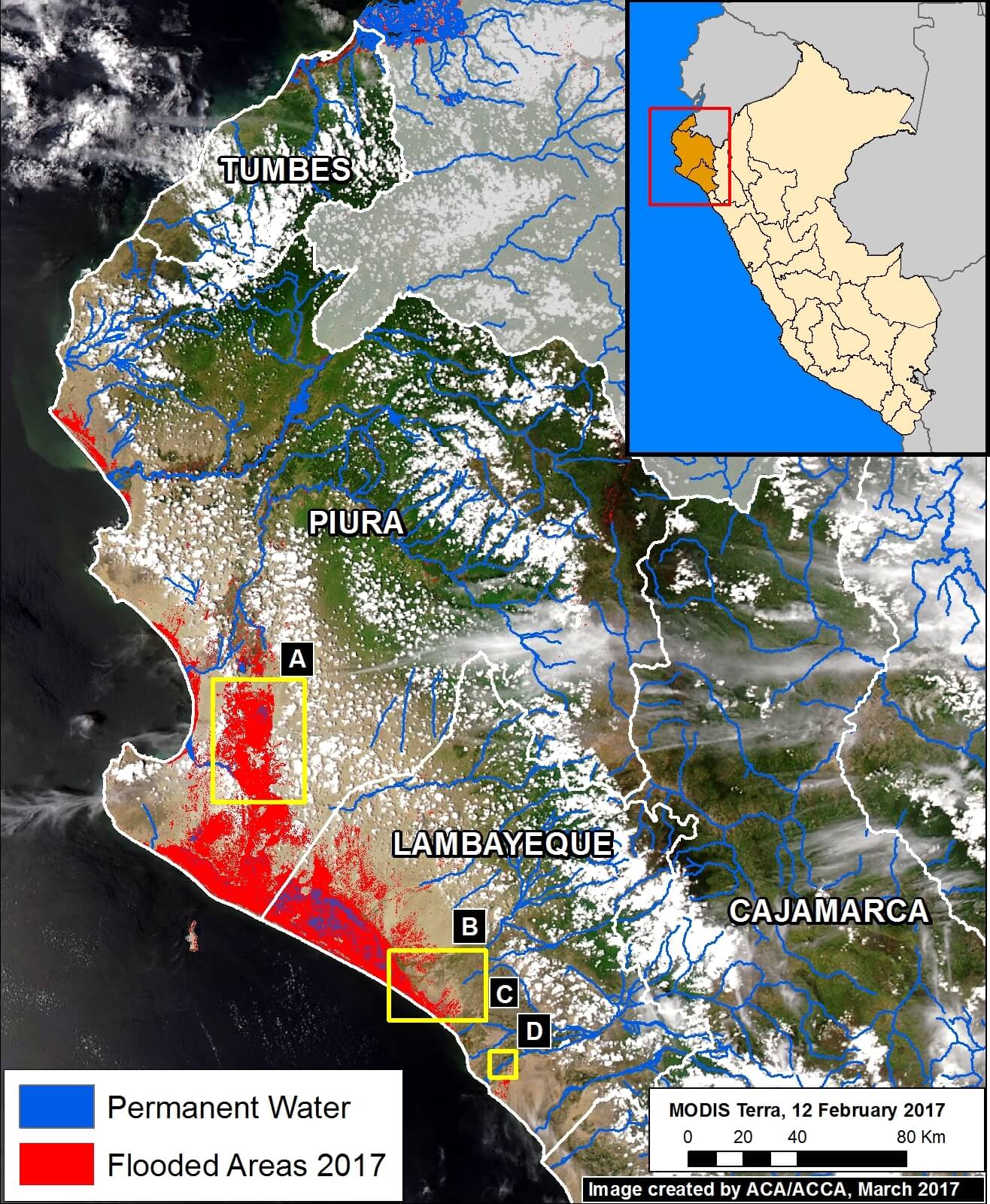
Image 56a shows a preliminary estimate of the flooded areas along the northern coast (in red). We created this estimation via an analysis of radar images (Sentinel-1) that identified areas saturated with water.
Below, we show satellite images of the areas indicated by Insets A-D, which represent examples of flooding events.
Note that the red points indicate the same spots between panels.
In the previous MAAP #54, we described the phenomenon of natural forest loss due to “hurricane winds,” showing several examples from 2016 in the Peruvian Amazon. Strong winds from these localized storms can knock down hundreds of acres of forest at a time.
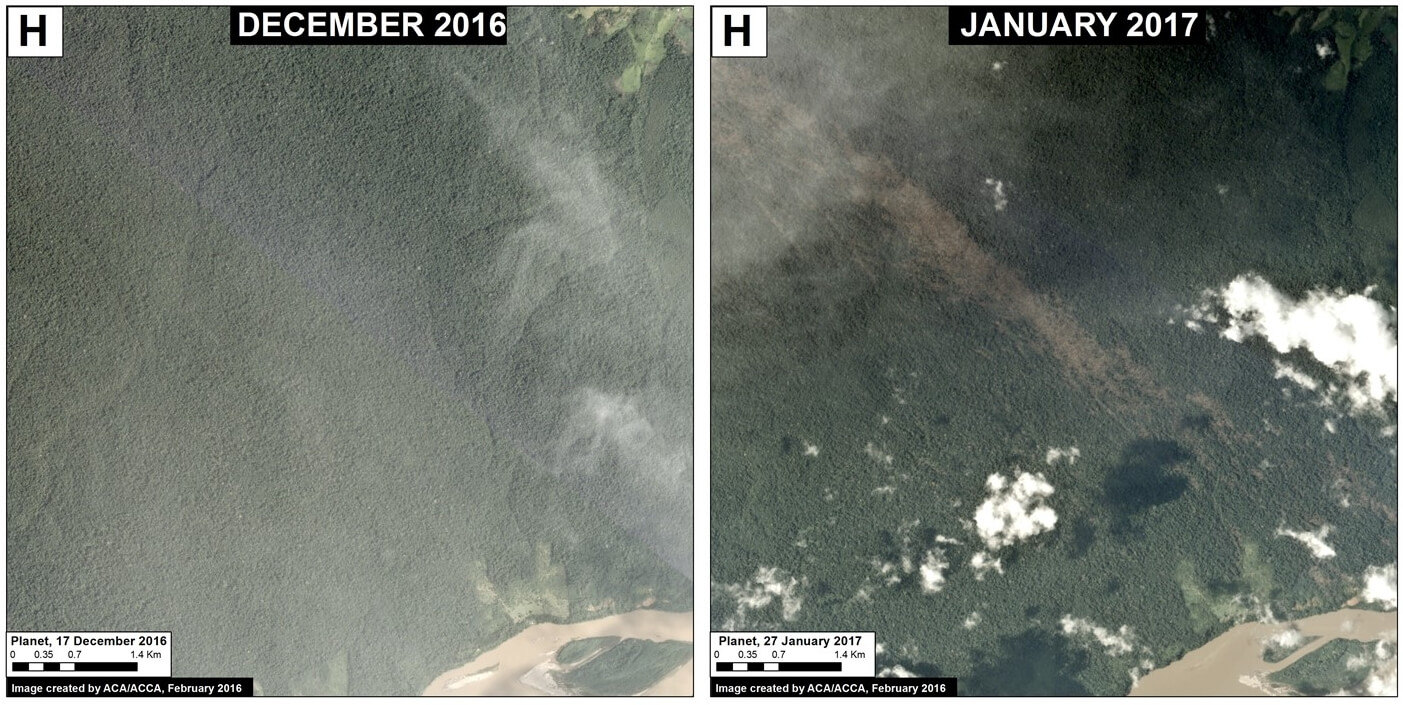
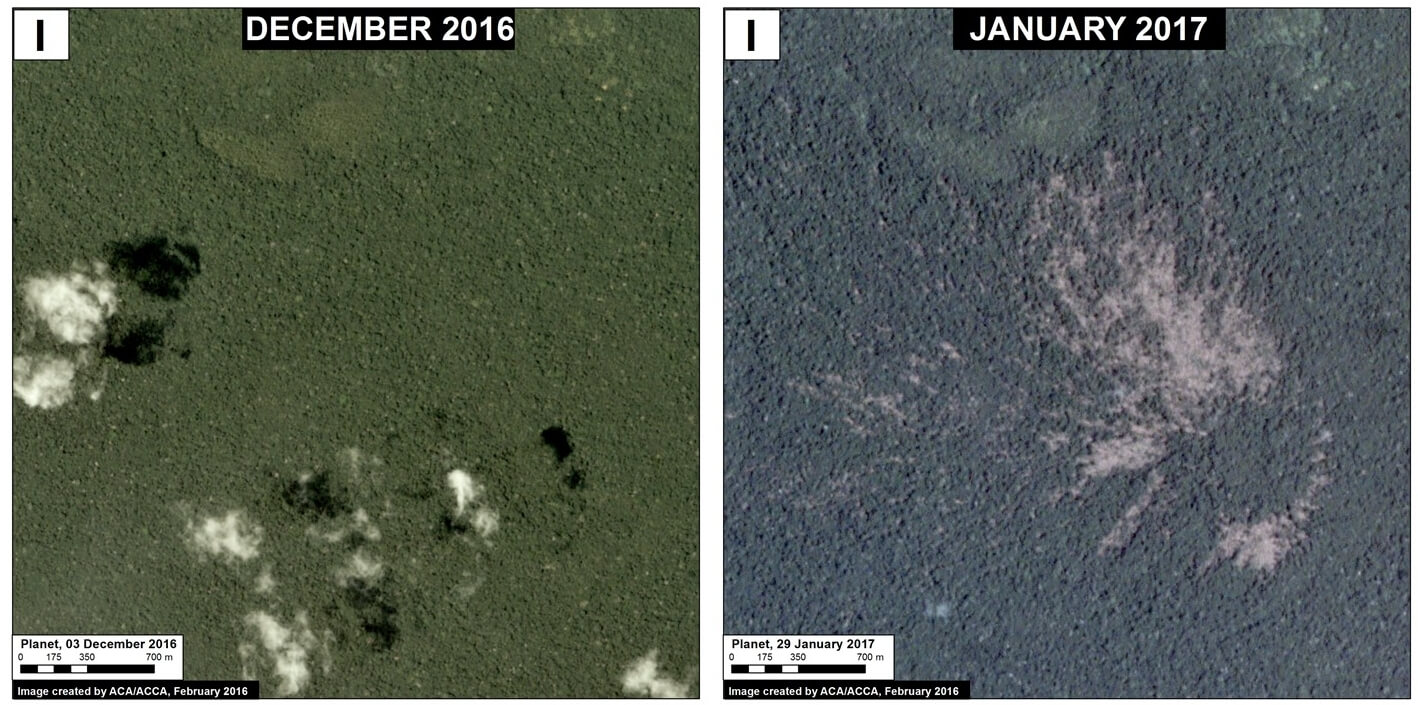
In January 2017, GLAD tree loss alerts indicated two new hurricane wind events in the southern Peruvian Amazon (Madre de Dios region). Below, we show high-resolution images of these cases. The first is a large hurricane wind event that knocked down 780 acres (Image 55a). The second is an event of 185 acres that took place within a forestry concession (Image 55b).

An area equivalent to over 8,000 football fields in the heart of the Amazon rainforest is now protected. After years of work supporting the Association of Young Conservationists of Alto Pilcomayo (AJCAP), ACA has helped declare the area of Alto Pilcomayo in the Peruvian Amazon as a protected conservation area.
What makes this new conservation area unique is that it is not owned by a single individual, but rather by the AJPAC association, an organization devoted to conserving the area. Alto Pilcomayo is now a territory where anyone in the AJPAC association can carry out conservation, research, and educational projects in the area as long as the purpose of those projects is to protect the biological diversity in the rainforest.
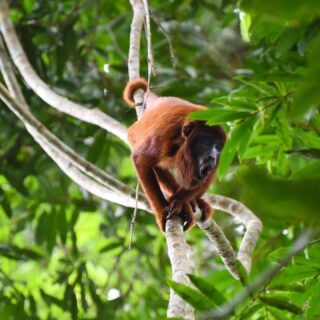
Alto Pilcomayo is located to the east of the city of Cusco, where the Andes mountains meet the Amazon rainforest. Many endemic species, such as woolly monkeys, Spectacled bears, and many species of amphibians, live in the forest. In addition, a wide variety of orchids bloom here. This area is also a crucial water source to 5,000 people living in the nearby valley of Kosñipata.
Jaguars are indicative of a healthy forest; as apex predators, they play a significant role in controlling the populations of other species which helps maintain balance in the food chain and environment. However, in many of the communities surrounding the Manuripi National Amazon Wildlife Reserve in the Bolivian Amazon, jaguars were not perceived in a positive light as the communities experienced attacks on some of their livestock. Thus we launched a project to help address these conflicts: “Human-Jaguar Conflict in the Bolivian Amazon: A participatory Approach to Changing Attitudes and Behaviors”, aimed at better understanding and reducing human-jaguar conflicts.
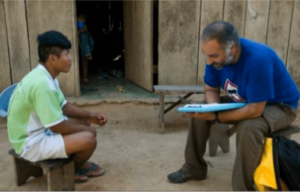 We interviewed 169 people from five communities inside the reserve and 137 people from three communities in the surrounding Tacana II territory to evaluate the level of human-jaguar conflicts. From the information gathered from the interviews, we developed educational activities to increase knowledge and reduce the negative perception of jaguars in adults and children within these communities.
We organized six educational and outreach activities in five targeted communities inside the Manuripi. Around 100 people attended our activities in the communities while activities in the schools educated around 90 children. One of the workshops we organized was “Methods to Reduce Large Cats Attacks on Cattle”, with support from the Cattle Rancher Association of Pando and participation from both the NGO Panthera and a Bolivian veterinary products company, LAFAR. The seminar was well-attended by cattle ranchers, veterinarian students, local university staff, and local Pando Government officials, so much so that the Cattle Ranchers Association subsequently agreed to search for funding to apply 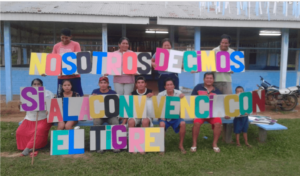 some of the innovative, forest-friendly methods presented there to reduce cattle predation in pilot ranches.
Additionally, Amazon Conservation invited a Brazilian expert in human-wildlife conflict, Dr. Silvio Marchini, to present the course “Human Dimensions of Wildlife Conservation” to the Environmental Agency of Pando and the University of Pando. Those who attended this five-day course left with both theoretical and practical understanding of how to improve the management of natural resources and livestock in a way that alleviated pressure on jaguar populations.
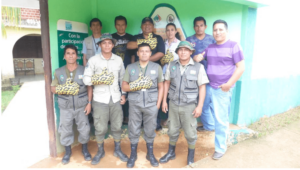 Our post-events questionnaire revealed improvement in beliefs, perception, attitudes and tolerance. After the community workshops both in schools and the community, the project seemed to have had a significant impact on the project participants. The risk perception towards jaguars reduced by 10%, while the tolerance and positive perceptions have increased in approximately 18% in the communities involved in the project. This is a great first step in changing the long-held beliefs individuals have of jaguars, to help the long-term conservation of this threatened species.
These communities have also agreed on an action to plan to reduce conflicts. Through a framework that encouraged community participation, we developed 3 Action Plans for reducing human-jaguar conflict, and almost % of community members formally committed to implementing them in their forest homes. Both the course and workshop received positive feedback as well as raised awareness and interest among students, government staff, and cattle ranchers, chipping away at myths to help reduce human-jaguar conflicts.
Last year Arjan Dwarshuis set a new world record for the highest number of birds observed in a single calendar year: an astonishing 6,841 bird species observed in 40 different countries (about 65% of the world’s species!). Of all those countries, Arjan named Peru as the number one destination for birding. “Hands down,” he says about his choice “…we saw 1,001 species in 24 days – a record within a record! 577 were new for the Biggest Year. It’s also the landscape, culture, people.”
I discovered my passion for birds years ago while researching macaws in the Peruvian rainforest in Tambopata, one of the most biodiverse spots on the planet with a wide variety of habitats and around 550 bird species. Among the variety of habitats found there, the most amazing to me was the bamboo forest, one of the largest bamboo patches of the entire Tambopata area, and also a favorite of the late Ted Parker. Specialists like the Rufous-headed Woodpecker, Manu Antbird, Goeldi’s Antbird, and the Red-billed Scythebill could be seen in a day’s hike. I had not seen such a diverse array of bamboo specialists since, until I visited Villa Carmen birding lodge last year while guiding for Field Guides.
University of British Columbia PhD candidate Micah Scholer has visited Peru enough times to know the lay of the land and discover some of the incredible birds the country has to offer. Read about how he got into birding, the research project he is conducting in the Amazon, and some of his adventures in the field.
A little-known, but not uncommon, type of natural forest loss in the Peruvian Amazon is blowdown due to strong winds from localized storms (locally known as “hurricane winds”).
The intense winds cause a chain reaction of fallen trees, resulting in a fan-shaped pattern of forest loss with a defined orientation following the direction of the storm winds.
This phenomenon has previously been reported in Brazil and Colombia (see References below).
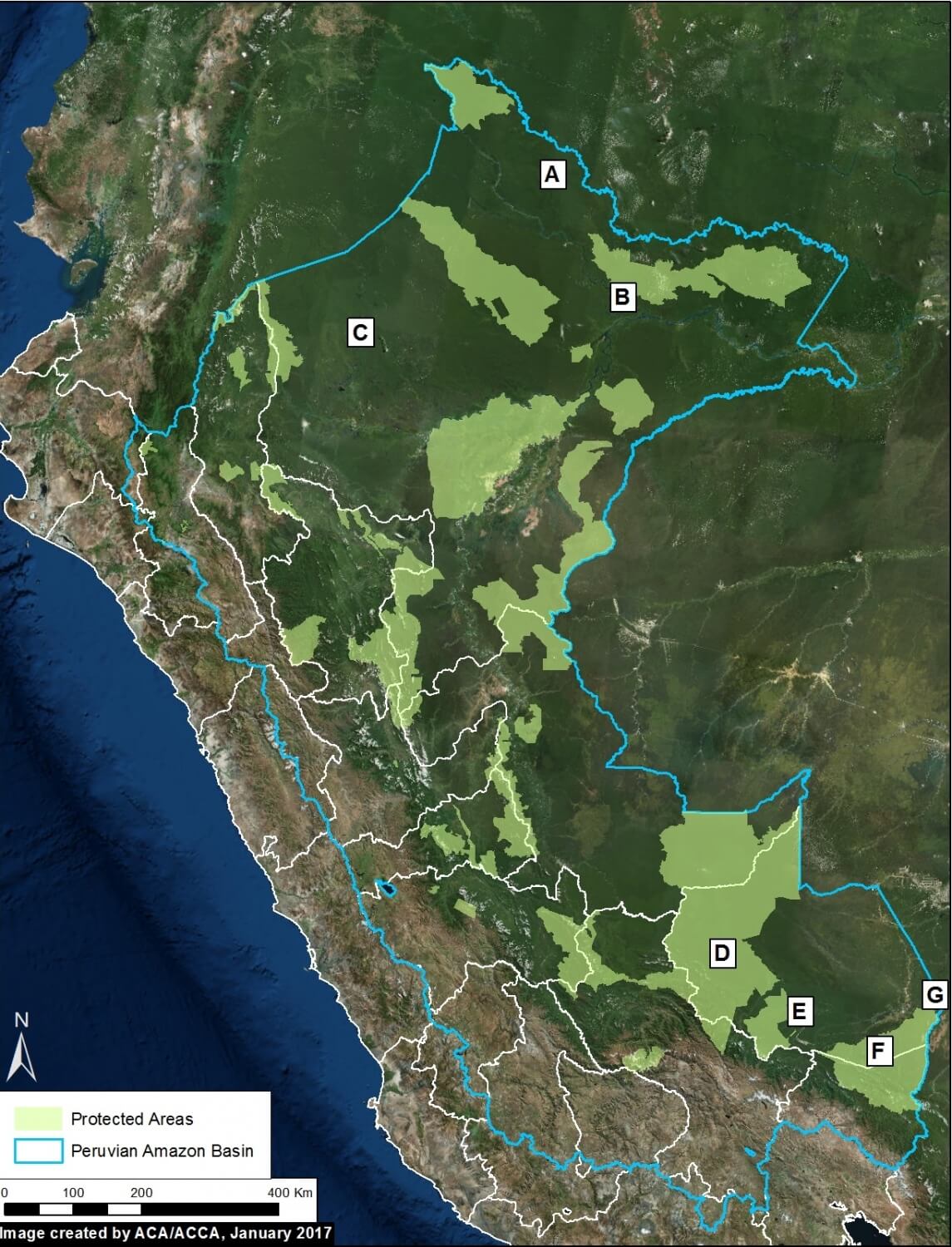
The base image (Image 54) shows the location of some recent (during 2016) examples of forest loss due to blowdowns in the Peruvian Amazon.
These examples were initially detected from analysis of GLAD alerts, early warning tree loss data produced by the University of Maryland (see Annex).
Below, we detail the 7 blowdown examples indicated on the base map. They are located in both northern (Loreto region) and southern (Madre de Dios region) Peru, and include 4 Protected Areas. The forest loss in these examples ranged from 24 to 900 hectares.
 Loading...












1025 Connecticut Ave NW · Suite 415 · Washington DC 20036 · USA
202-234-2356 / info@amazonconservation.org