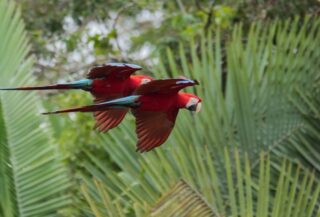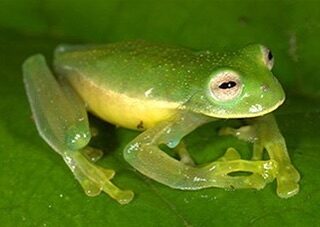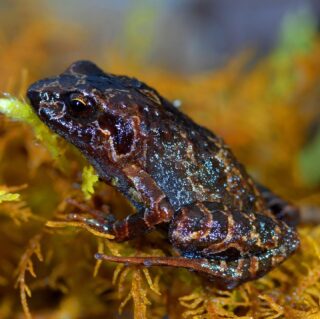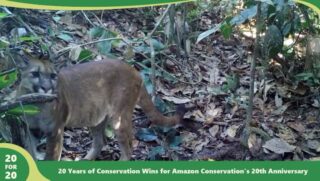
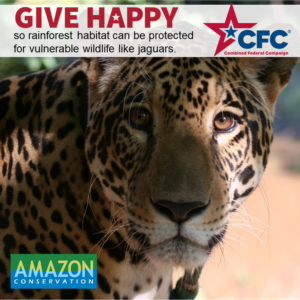
 Did you know that this week’s theme for the Combined Federal Campaign is Animal Welfare Week? This week, we are asking federal employees to help us protect the habitat of all of those animals in the Amazon who cannot speak for themselves and fight to keep their homes and food sources. Give Happy and be a good steward of wildlife by donating to Amazon Conservation (#49371) and raising awareness about the importance of protecting and restoring the habitat of critical species like the jaguar.
Now through January 15, government employees and retirees can Give Happy through the Combined Federal Campaign and join others looking to have a real collective impact and protect the Amazon and its habitat. Anyone can be a changemaker through the CFC, and it’s easier than you may think!
Search for Amazon Conservation on the CFC giving page or by using our CFC #49371 to make protecting the Amazon part of your mission as a changemaker! You can also visit the CFC’s Ways to Give page to see other ways you can make your tax-deductible contribution.
For more than 60 years, the Combined Federal Campaign has been the official workplace-giving campaign for federal employees and retirees. It has raised more than $8.6 billion for charities and people in need, making a real and meaningful difference throughout the world. As communities across the globe are experiencing the impacts of a changing climate, the CFC’s Face of Change Campaign is the ideal opportunity to join forces and support climate-smart and nature-based solutions to protect critical yet vulnerable places like the Amazon Rainforest.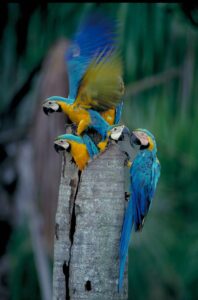
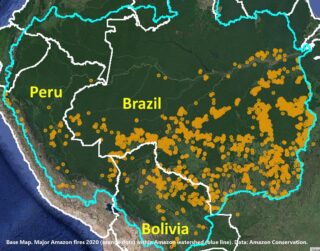
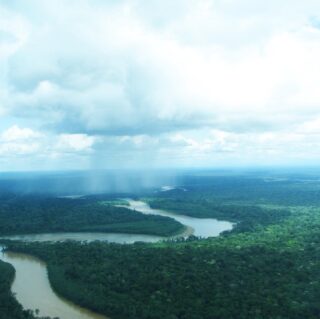
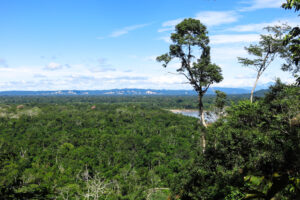
Why Amazon Conservation? The Amazon contains the single largest tropical rainforest on the planet, spanning more than 1600 million acres across nine South American countries. A significant source of the world’s trees, oxygen, water, food, wildlife, and medicine, the Amazon is the most important terrestrial biome on the planet. Protecting the Amazon ensures a healthy future for all of humanity.
What greater gift could you give than preserving our planet for future generations?
It’s quick, easy, and convenient to make your pledge for the Amazon today! To donate to protect the greatest wild forest on Earth, search for Amazon Conservation (CFC #49371) at www.givecfc.org. Through this convenient pledge portal, you can set your pledge up as a payroll deduction, credit/debit card, or e-check/bank transfer. If you have donated to us through the CFC in previous years, you can easily renew your pledge via the pledge portal.
 If you want to learn more about Amazon Conservation and share our work with your colleagues, consider inviting us to your CFC event! We have staff available to attend virtual events anywhere as well as in-person events in the DC, Virginia, and Maryland area. We would love to answer your questions about conservation in the Amazon and illustrate how far your dollars go towards protecting wild places, empowering people, and putting science and technology to work.
If you are a government employee or retiree, be sure to make your pledge before January 15 to Amazon Conservation (CFC #49371) at www.givecfc.org.


 As we enter a fast-growing digital landscape, many organizations and non-profits have begun exploring new ways to secure funding to broaden their impact. Earlier this year, we implemented a new donation tool called
 Loading...