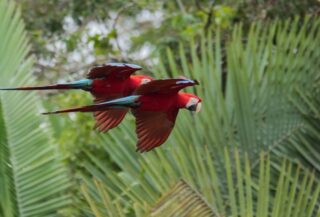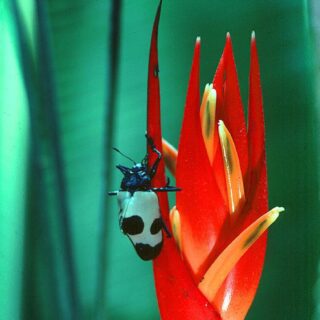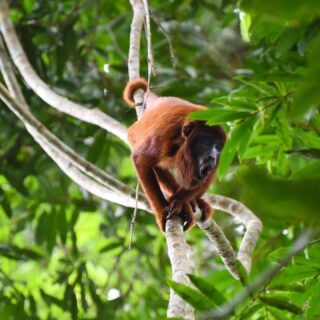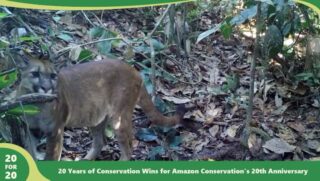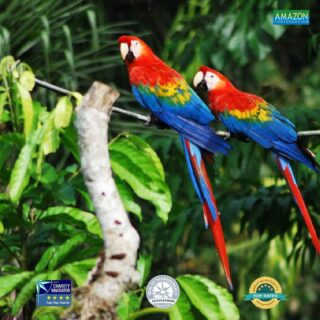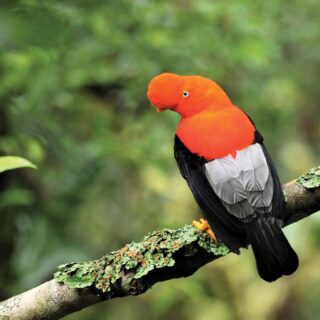
If one of the things you want to accomplish in 2018 is to travel, take this chance to make your plans to visit Peru! As one of the world’s 10 megadiverse countries, including over 1,800 bird species, with hundreds of endemic plants and animals, with rich cultural destinations such as Machu Picchu, and its delectable cuisine, Peru is not to be missed! What are you waiting for?
Uncategorized
MAAP #78: Deforestation Hotspots in The Peruvian Amazon, 2017
As we begin a new year, we make an initial assessment of 2017, estimating deforestation hotspots in the Peruvian Amazon based on early warning alert data.*
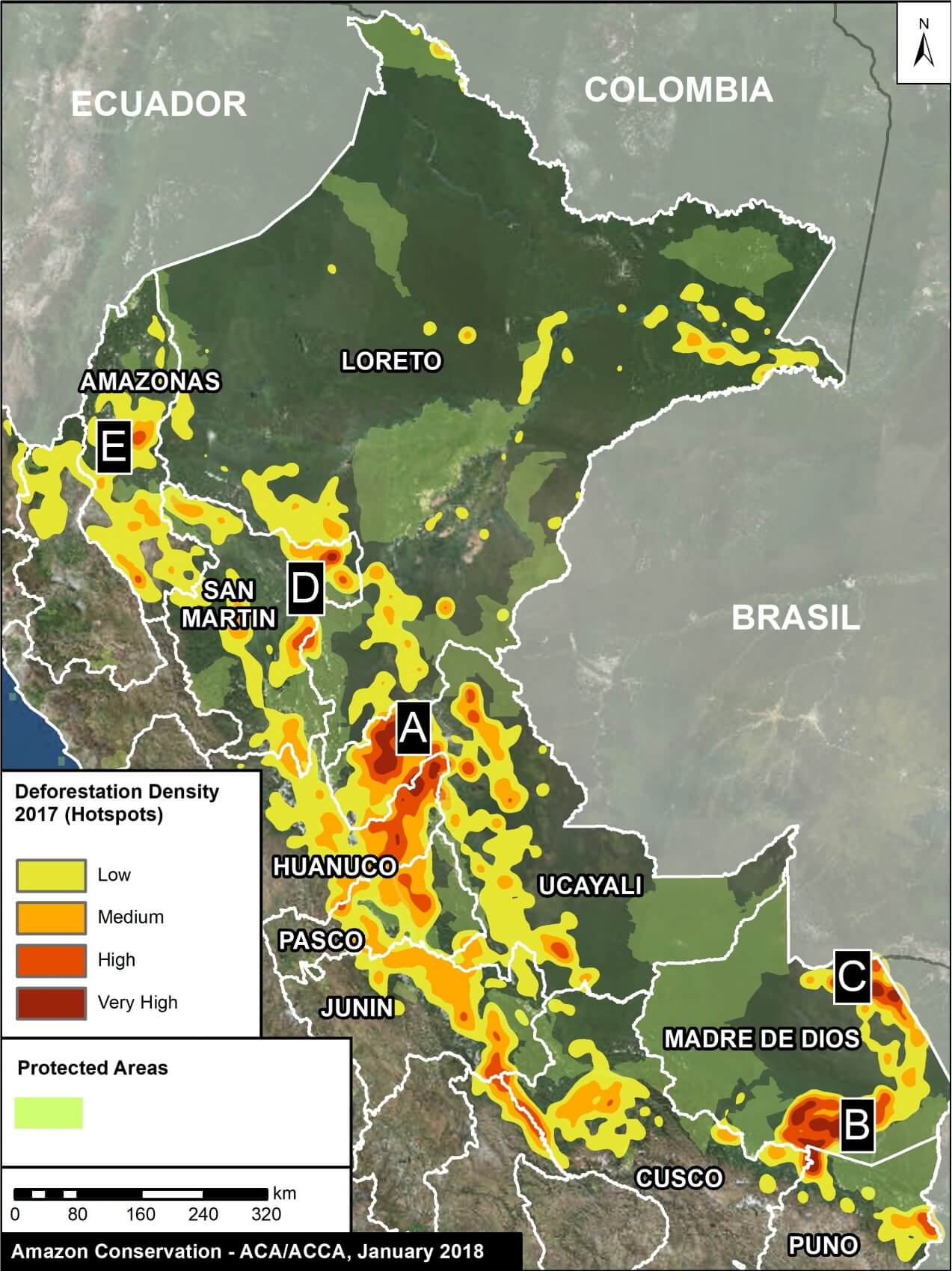
Base Map (Image 78). Data: PNCB/MINAM, UMD/GLAD, SERNANP
We estimate the annual forest loss of 354,410 acres (143,425 hectares) across Peru in 2017. If confirmed, this total represents the lowest in 5 years (average of 394,600 acres since 2012), and a decrease of 13% from last year.**
Deforestation, however, is still widespread. The base map shows the most intense hotspots (areas with highest density of forest loss).
The two main deforestation areas are clearly seen: the central Amazon (Ucayali/Huánuco regions) and the southern Amazon (Madre de Dios). Also, there are several additional hotspots scattered throughout the country.
We present satellite images (slider format) of the most intense hotspots. The images reveal that the main deforestation drivers include gold mining, oil palm, and general agriculture (crops and livestock).
The hotspots detailed below are:
A. Central Amazon (Ucayali/Huánuco)
B. Southern Madre de Dios
C. Iberia (Madre de Dios)
D. Northeast San Martín
E. Nieva (Amazonas)
Palm swamps: Home sweet home for the blue and yellow macaws!
The majesty of Amazonian blue skies and the guardians of the forest have one name and it is: macaws. Their bright colorful plumage and strenuous calls bring harmony to Los Amigos landscape and are a pure delight to the human eyes. Unfortunately, these are the same characteristics that make them highly threatened by pet trade, in addition to the increased rates of habitat degradation and deforestation in the Amazon. Locations where birdwatchers, naturalists, photographers, or any environmental enthusiast can admire these stunning creatures are not many, but in ‘collpas’ or clay licks in southeastern Peru several macaws’ species can display their beauty while feeding. The collpas are locations where animals consume soil, and there are various hypotheses that explain soil consumption such as: mineral supplementation, adsorption of dietary toxins, and mechanical aid to digestion, among others.
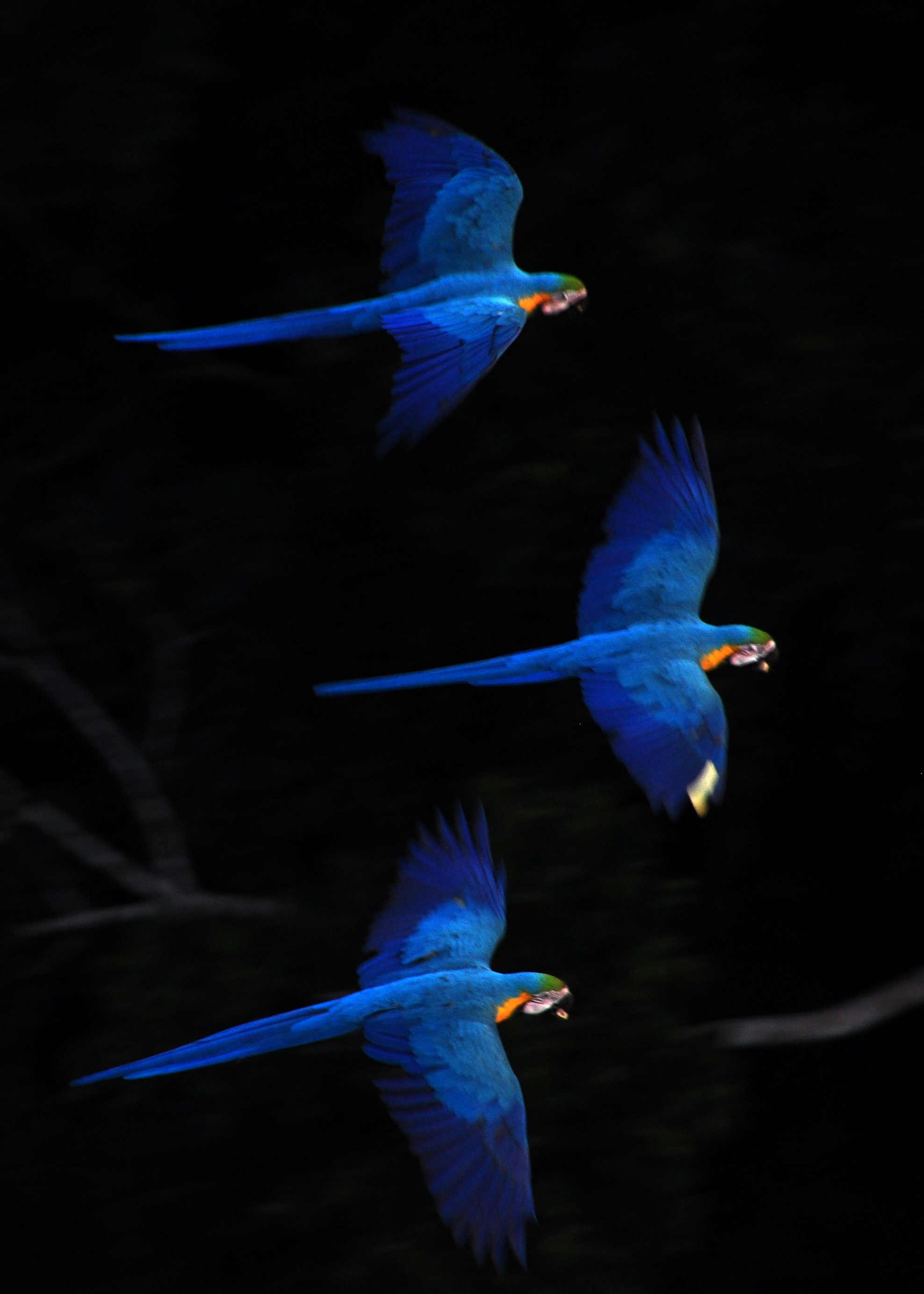
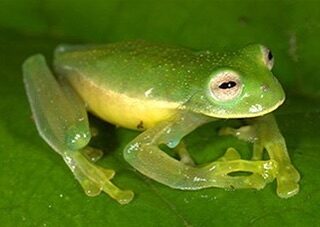
Photo credit: Dr. Jonathan E. Kolby, Director, Honduras Amphibian Rescue & Conservation Center, www.FrogRescue.com
Blue-and-yellow (Ara ararauna) macaws, one of the seven species of macaws at Los Amigos, rather than being large frequenters of clay licks are highly associated with palm swamps. However, these brightly colored birds are not attracted to just palm swamp but with the Mauritia flexuosa palm, locally known as “aguajal.” Interestingly, palm fruit is not the main reason why blue-and-yellow macaws are closely tied to this plant, instead their nesting preferences is what makes these palm swamps so appealing. Mauritia flexuosa occurs in monospecific stands, growing in mostly swampy areas. The palm’s height reaches up to 30 m and 30-60 cm in diameter, only the female individuals produce around 500 fruits every season, which are consumed by a variety of animals –including macaws- and have a social and economic importance throughout the Peruvian Amazon. Unfortunately, current harvesting techniques of the “aguaje” are decimating their population, as the female palm is chopped down in order to obtain the edible fruits.
Like most large macaw species, A. ararauna has a low reproductive rate and their reproductive behavior may be affected by the lack of appropriate nesting sites in their natural environment. Blue-and-yellow macaws nest almost exclusively in hollow and dead M. flexuosa palms, at height of approximately 15 meters. After a palm dies, the leafed crowns dry and fall, and the palm heart -located in the trunk’s interior- starts dissecating leaving a hollow trunk with solid walls, creating an ideal nesting site for macaw’s eggs incubation and chicks survival. Certainly, macaws are highly meticulous when finding an appropriate nesting site. Besides finding a dead hollow palm, they have to be isolated from tall surrounding canopy and any other hanging vegetation. In addition, while inside the hollow trunk rotting palm fibers cover the nest floor. These palm characteristics of being a hollow and dead palm that is isolated from surrounding vegetation, is doubtless a good strategy to avoid predation from voracious raptors and arboreal organisms.
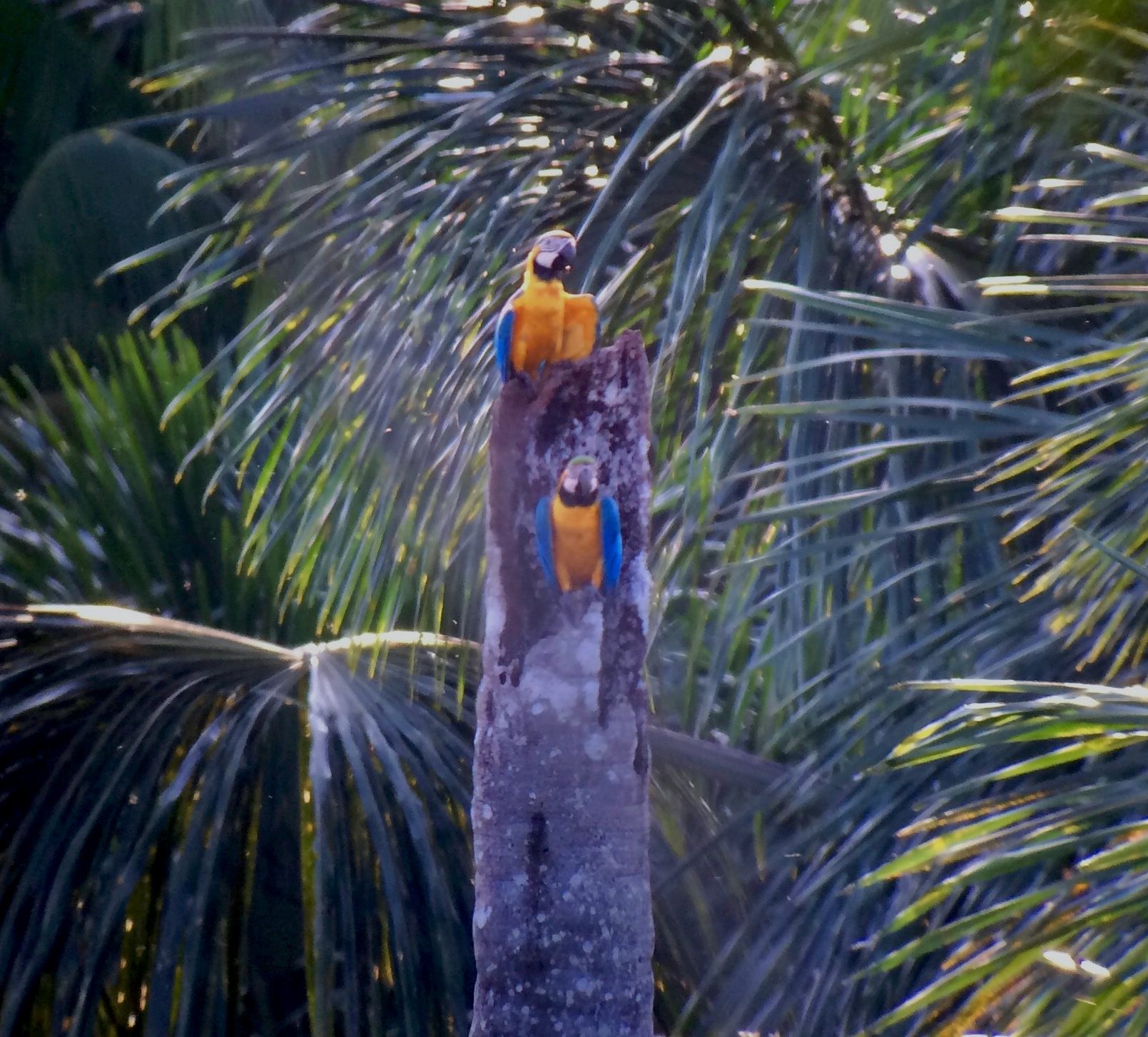 A study conducted in Madre de Dios analyzed the advantages of managing M. flexuosa palm swamps to protect the nesting ecology and population of blue-and-yellow macaws. This was done in a small section of a palm swamp by cutting the top of the palms and removing the understory vegetation. Although it might seem like a drastic management tool, the study reported that cut palms persisted from 4 to 7 years, and were occupied by macaws’ nest at a rate of 24%! From this data, authors suggested that cutting 5 palms annually will generate areas of ~20 dead palms that could be used by 6 or more pairs of macaws every year, thus increasing the reproductive success of blue-and-yellow macaws. This could also be used for ecotourism purposes. In fact, Los Amigos has M. flexuosa palm swamps where blue-and-yellow macaws thrive together with scarlet and red-and-green macaws! The protection of this habitat is vital for their survival, and reminds us how amazing and enchanting the Amazon rainforest is, and how connected every organism is with this immense forest.
For further reference:
Brightsmith, D., & Bravo, A. 2006. Ecology and management of nesting blue-and-yellow macaws (Ara ararauna) in Mauritia palm swamps. Biodiversity and Conservation, 15: 4271-4287.
MAAP #77: Deforestation Hotspots in the Colombian Amazon, Part 2
We present the second in a series of story maps investigating deforestation hotspots in the Colombian Amazon. Our goal is to identify the most critical hotspots (areas with the highest densities of deforestation) and use satellite imagery to identify the primary deforestation drivers.
The first report focused on a hotspot approaching Chiribiquete National Park in Caquetá department, and the deforestation was largely driven by cattle pasture.
MAAP #77: Deforestation Hotspots in The Colombian Amazon, Part 2
We present the second in a series of story maps investigating deforestation hotspots in the Colombian Amazon. Our goal is to identify the most critical hotspots (areas with the highest densities of deforestation) and use satellite imagery to identify the primary deforestation drivers.
The first report focused on a hotspot approaching Chiribiquete National Park in Caquetá department, and the deforestation was largely driven by cattle pasture.
Here, we move to the south and focus on a hotspot surrounding La Paya National Park in Putumayo Department. We show high-resolution satellite imagery that reveals the major driver is again cattle pasture.
Please follow this link to view the Story Map: Deforestation Hotspots in the Colombian Amazon, part 2
This work reflects an important collaboration with our colleagues at Amazon Conservation Team, funded by the MacArthur Foundation.
Egg coloration in Tinamous: Are their colorful eggs a smart adaptation?
With a chicken-like appearance and terrestrial behavior, tinamous are by far some of the most common and unique birds at Los Amigos. Undulated tinamous roam around the station searching for their most delicious prey such as insects, seeds and fruits. But undulated tinamous are not the only species inhabiting Los Amigos forest. Despite their highly camouflaged plumage and lack of flight capabilities, they are definitely a group that captures the attention of any birder or naturalist. Here we tell you why!
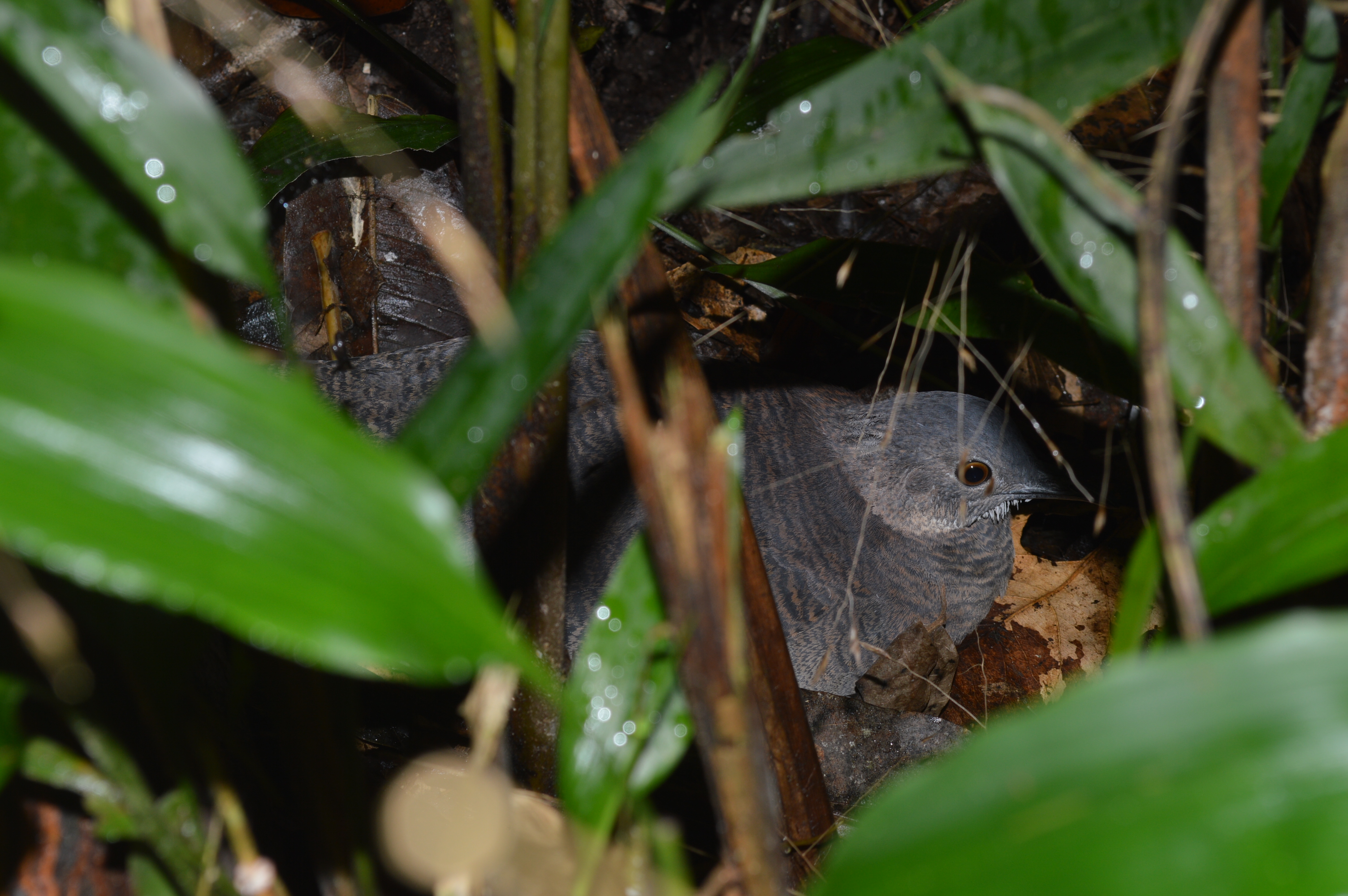 Tinamous (Family Tinamidae) are a group of ground-dwelling birds distributed from central Mexico to southern Argentina. There are 47 tinamou species throughout the Neotropics, but it is in the southwestern Amazon where they reach their peak in diversity. Los Amigos harbors eleven of the 47 species, from the largest Great tinamou, to the tiny Little tinamou, and others such as Gray tinamou, White-throated tinamou, Cinereous tinamou, Brown tinamou, Undulated tinamou, Brazilian tinamou, Black-capped tinamou, Variegated tinamou, and Barlett’s tinamou. But what is interesting about these birds and why biologists should consider conducting more studies on this group? The answer is that tinamous are naturally rare birds; few studies have focused on them even though they are highly vulnerable to hunting and deforestation.
Compared to other Neotropical birds, tinamous have two very interesting facts: males perform parental care and the females lay exceptionally colorful eggs. Predation is one of the main causes of nest failure, thus having a direct impact on birds’ life history. In order to minimize nest failure by a predator’s visual, auditory or chemical cues, the vast majority of birds have evolved camouflaged plumage, build camouflage nests, and/or lay camouflaged eggs. The reason being that cryptic eggs are exposed to less predation risks than non-cryptic eggs, particularly for ground-nesting birds, such as tinamous. However, tinamous are an exception, laying eggs that range from bright blue green, to chocolate brown, violet and light pink colors, most of which have a glossy appearance, making the eggs stand out rather than blend with its surroundings.
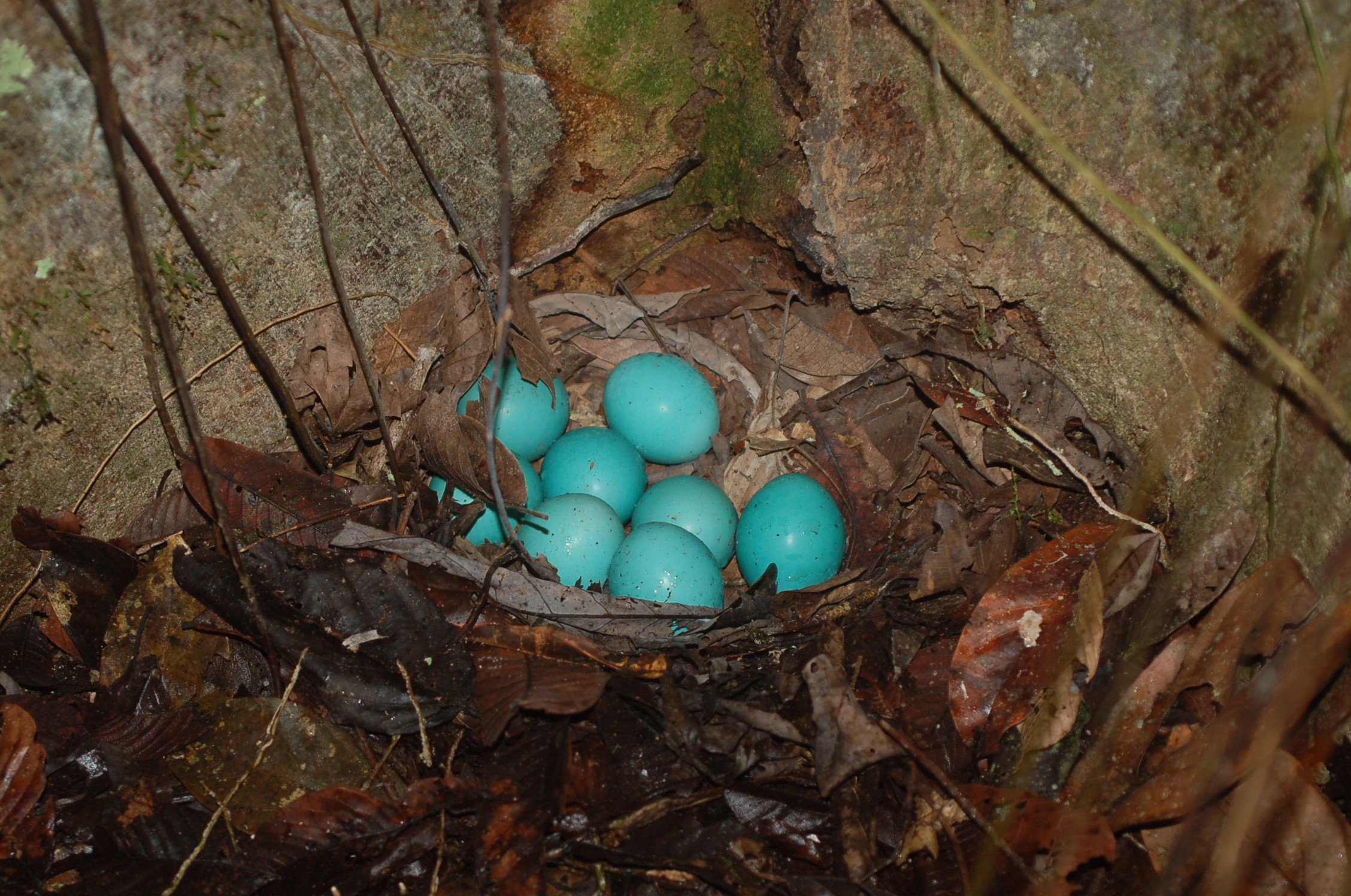
Brennan (2010) aimed to understand the predation of great tinamou clutches and tried to explain why tinamou eggs are not camouflaged. For instance, Great tinamous lay large turquoise colored eggs in nests that are located on top of brown leaf litter, thus making them easy to see! Male tinamous are in charge of egg incubation, incubating almost uninterruptedly, and take care of the precocial offspring. After monitoring the nests through video cameras and egg-exchange experiments to collect DNA, Brennan found that there was a significantly higher risk of predation during incubation than during egg laying. This suggests that rather than using the egg cues (i.e. bright coloration), predators use cues from incubating males to locate clutches. High levels of nest attendance from male tinamous could possibly lead to a reduced selection for egg camouflage, thus allowing this particular trait to evolve over time and perhaps making it worthy for other functions.
Want to know more about tinamous? Make sure to keep reading #LosAmigosBirdObservatory posts on Facebook for future research updates!
For more references:
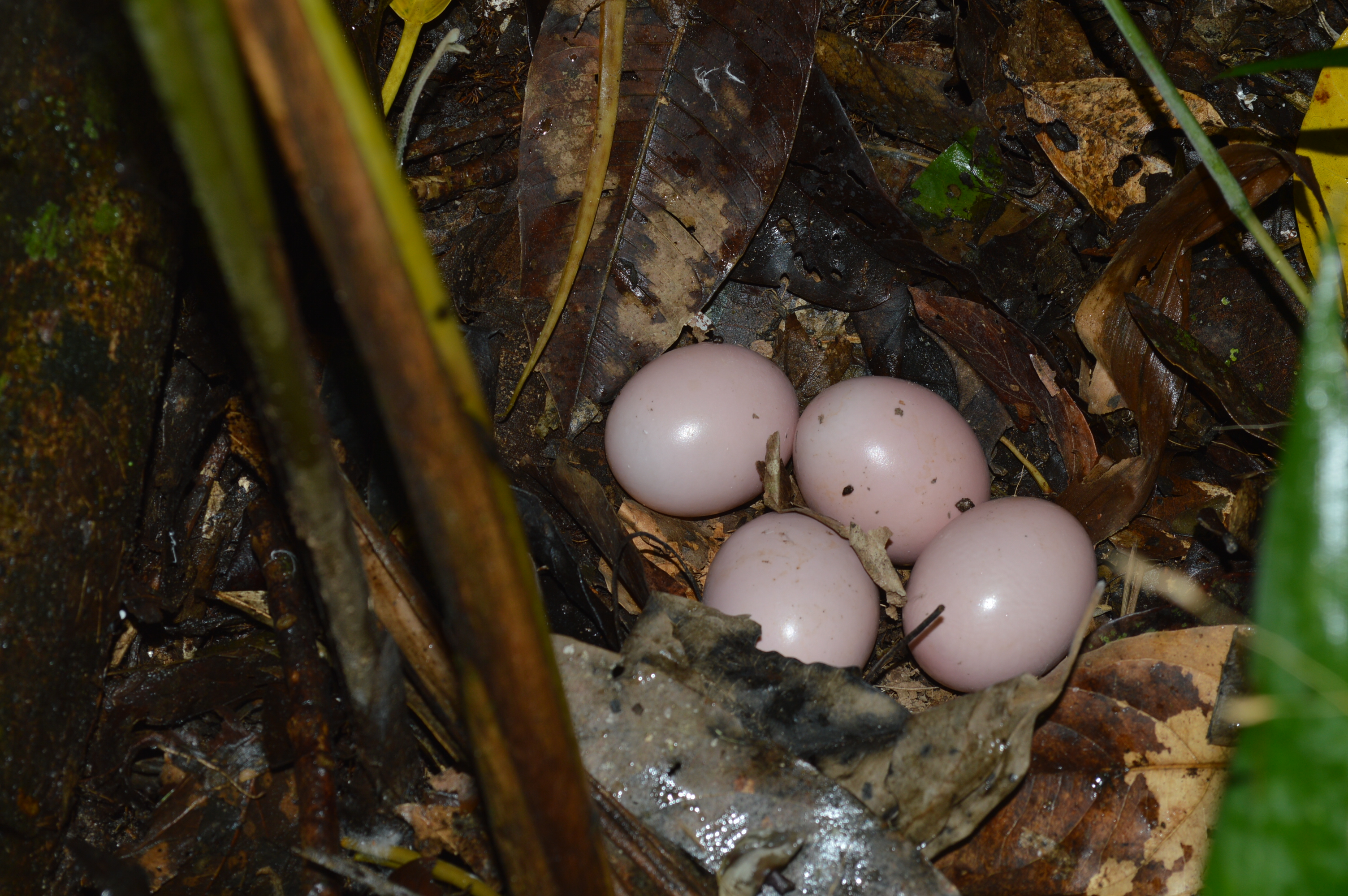 Brennan, P. 2010. Clutch predation in great tinamous Tinamus major and implications for the evolution of egg color. Journal of Avian Biology 41: 1-8. doi: 10.1111/j.1600-0587.2010.04999.x
Cabot, J. 1992. Family Tinamidae (tinamous). Pp. 112–138 in del Hoyo, J., A. Elliott, & J. Sargatal (Eds.). Handbook of the birds of the world. Volume 1: Ostrich to ducks. Lynx Edicions, Barcelona, Spain.
Davis, S. J. J .F. 2002. Ratites and tinamous. Oxford University Press. New York, New York.
Schelsky, W. M. 2004. Research and conservation of forest-dependent tinamou species in Amazonia, Peru. Ornitologia Neotropical 15: 317-321.
MAAP #76: Proposed Road Would Cross Primary Forest Along Peru-Brazil Border
In December 2017, the Peruvian Congress approved a bill that declared it in the national interest to construct new roads in the border zone of Ucayali region, which shares a remote border with Brazil.
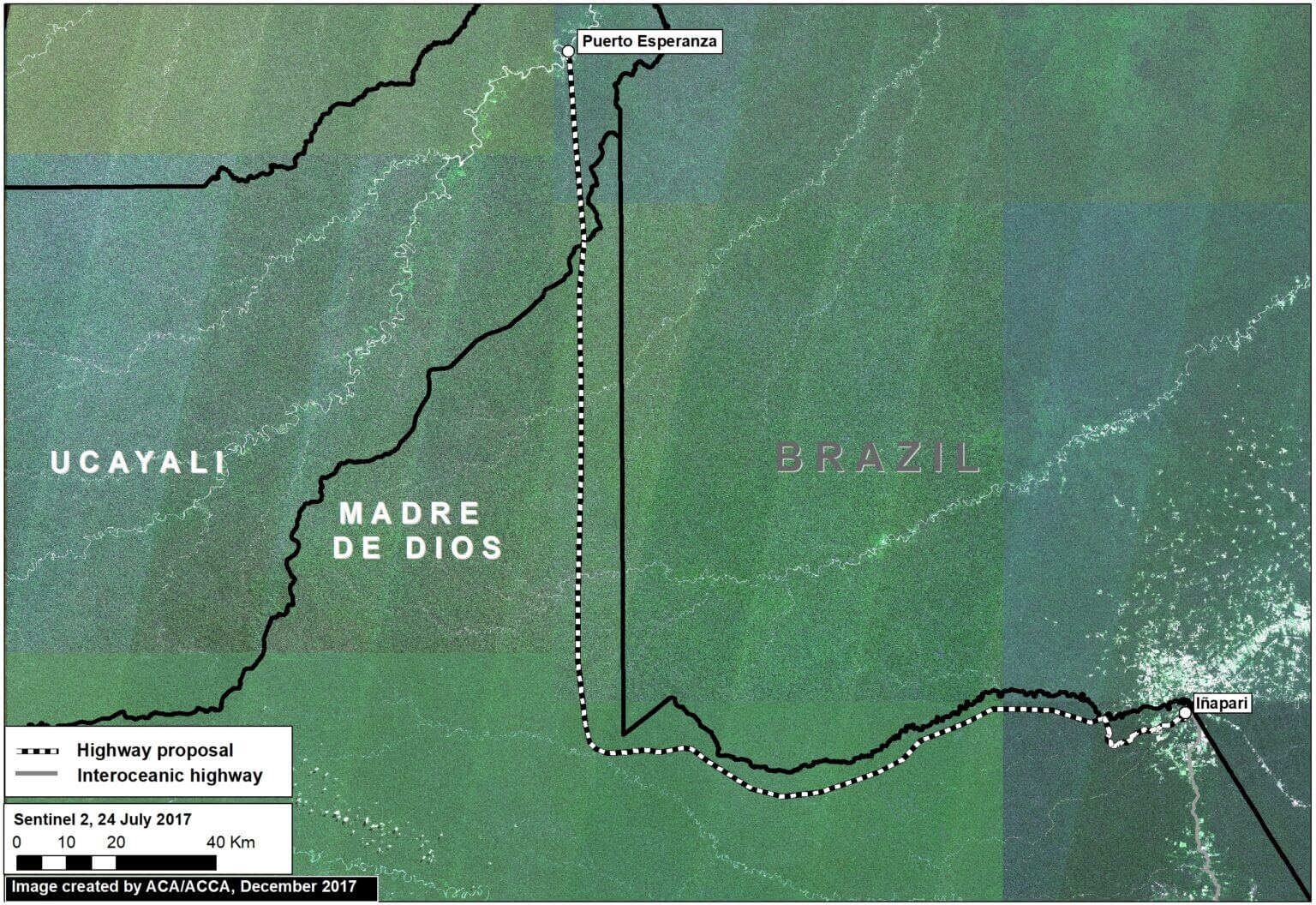
Image 76a. Base Map. Data: Mosaic of 16 images from Sentinel-2/ESA, July 2017
The main proposed road in this border area would cover 172 miles and connect the towns of Puerto Esperanza and Iñapari, in the Ucayali and Madre de Dios regions, respectively. Image 76a, a mosaic of satellite images from July 2017, illustrates just how remote and intact is the area surrounding the proposed road route.
Indigenous organizations and the Ministry of Culture have warned that the road would have major impacts on the indigenous peoples in voluntary isolation that are documented to inhabit parts of this remote area.
In this report, we add new information that complements the evaluation of possible impacts by calculating how much primary forest would be threatened as a result of road construction. We found that around 680,000 acres (275,00 hectares) of primary forest are at risk. Much of this area is within protected areas and a reserve for isolated indigenous groups.
Uniting bird conservation through science! Announcing the first Franzen Fellows of 2018!
“If you take care of birds, you take care of most of the environmental problems in the world.” – Thomas Lovejoy
Last year, we began the search for the most talented and most important passionate students and/or professionals that have found birds to be the source of their greatest inspiration and reason to protect the Amazon rainforest. The Franzen Fellowship was implemented as part of our LABO program to increase current efforts in avian research and conservation, as well as to train the next generation of ornithologists. With almost 600 species of birds, Los Amigos harbors a unique avian assemblage, because it contains some species that are rare in other parts of the country and in the rest of Amazon. After a competitive and arduous selection process, we are pleased to announce the first Franzen fellows of the Los Amigos Bird Observatory. Meet our winners!
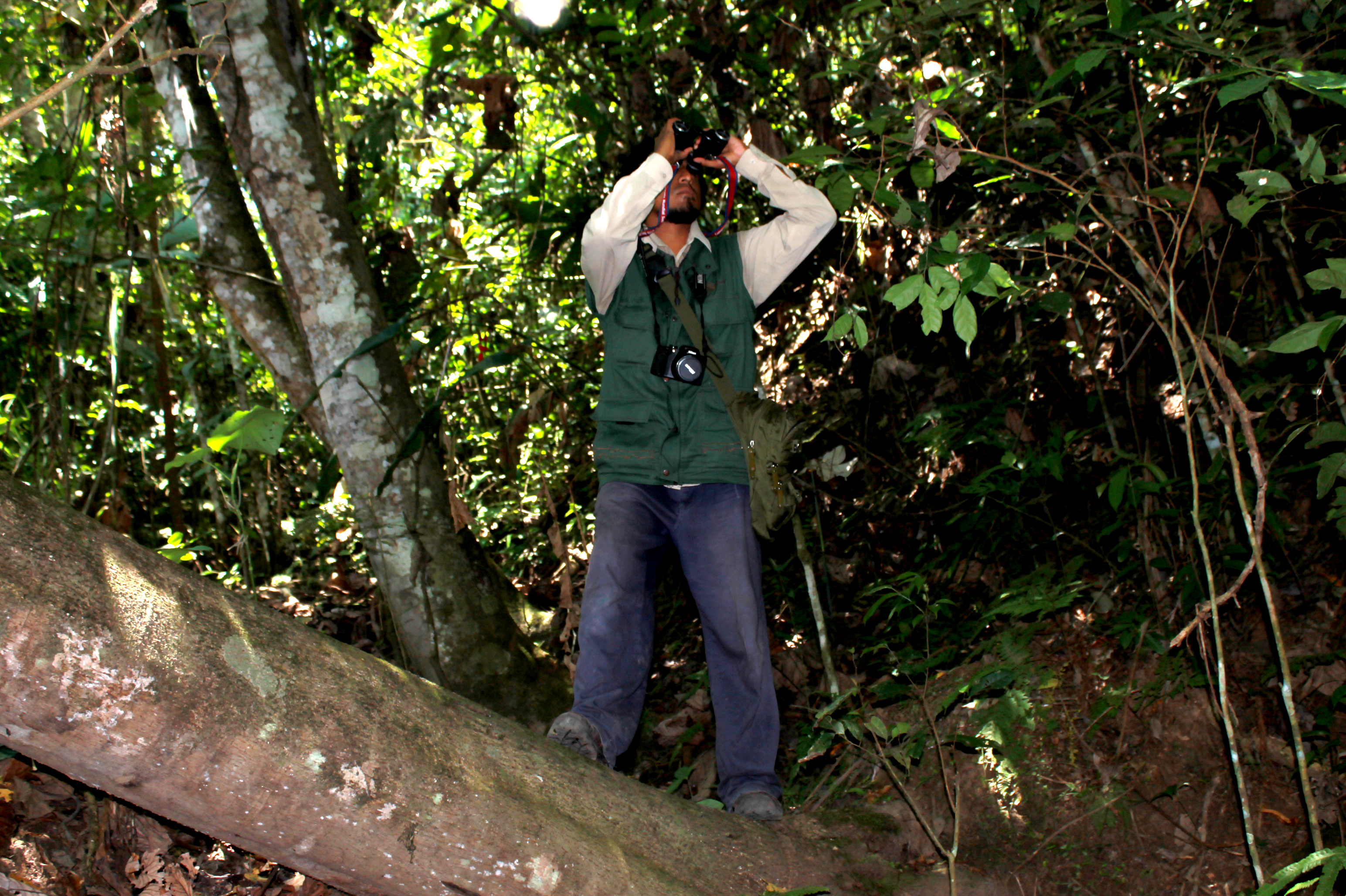
Igor Lazo, Peruvian biologist, is currently working as an Avian Specialist and Environmental Educator at Centro de Ornitología y Biodiversidad (CORBIDI) in Chiclayo, Peru. He has volunteered in Laquipampa, monitoring local avifauna but particularly the wild population of the white-winged guan (Penelope albipennis). Igor has also collaborated on the Macaw Project within the Tambopata National Reserve, working with the family Psittacidae. He is a consultant in ornithology, and assistant in mist-netting.
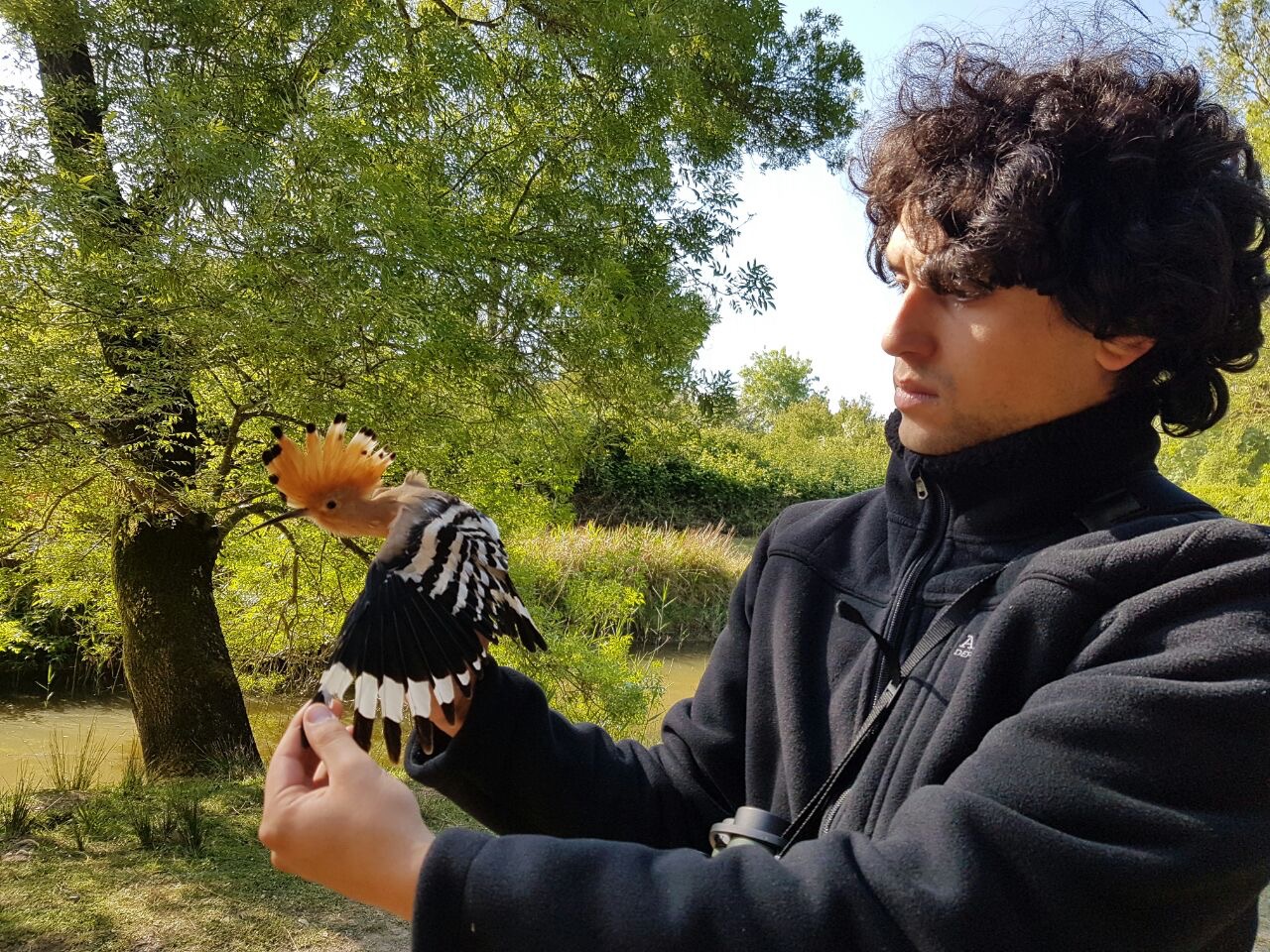
Matteo Sebastianelli’s interest in ornithology started in 2012, while volunteering in a biodiversity research project at the Taricaya Ecological Reserve, Madre de Dios, Peru. This experience along with field courses taken in Venezuela have allowed him to learn more about bird monitoring and the biodiversity of tropical birds. Once back in Italy, Matteo joined various ringing stations dedicated to studying avian population dynamics, seasonality of migrants and behavioral traits. Later, at Ornis Italica (non-profit organization based in Rome) Matteo was in charge of monitoring and behavioral studies of the European Roller (Coracias garrulus) breeding in nest boxes in Rome and Viterbo provinces. In 2017, Matteo worked as an assistant research fellow at TechnoSmArt Europe S.R.L., training homing pigeons to test electronic devices, GPS and Axy-Trek application, data collection and aviary maintenance; allowing him to increase his expertise in understanding avian ecology migration and orientation, and GPS skills.
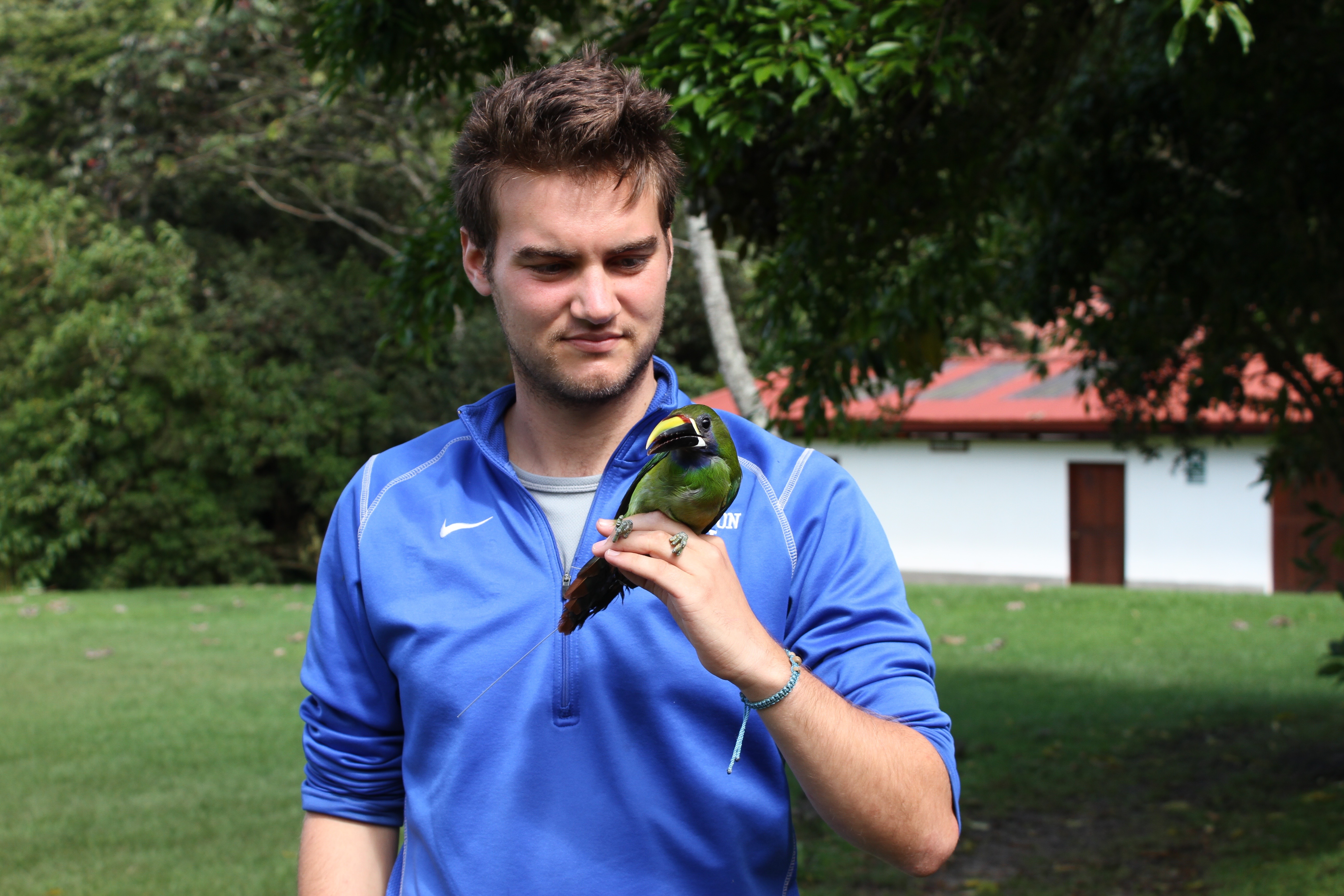
Will Sweet grew up as a birder in Sharon, Massachusetts. His passion for birds pushed him to attend Wheaton College in Massachusetts. He graduated in May of 2017 with a degree in Biology and a minor in Political Science. During his time at Wheaton, Will chose to study abroad with the Organization for Tropical Studies in South Africa. This experience drove him towards the field of ornithology. The summer following his semester abroad, Will returned to South Africa to aid in conducting point counts to help understand how habitat alteration by African Bush Elephants is changing avian community composition. During the fall of 2017, he returned to the field as a research technician for a University of Georgia PhD candidate conducting his research in the Monteverde region of Costa Rica. During this position, Will conducted point counts, mist netted and captured more than 80 species of birds, saw 472 species of birds, and helped attach GPS transmitters to Northern Emerald-Toucanets and Lesson’s Motmots.

Alex Wiebe started birding when he was 9 years old making it a major part of his life ever since. He started his undergraduate degree at Cornell University in 2015 and studies biological sciences and statistics there, with an emphasis in conservation. Alex’s research has highlighted the use of new statistical and technological methods in ecology and evolutionary biology, including using high speed cameras to film superb lyrebird courtship displays in Australia and tracking obligate ant-following antbirds in Panama with radio telemetry. Alex works with the eBird team at the Cornell Lab of Ornithology on their Detectives de Aves and PROALAS (Programa de América Latina para Aves Silvestres) programs to provide educational outreach and develop avian survey methodology for conservation efforts.
Our Franzen fellows will be starting their projects this year, so be sure to check in and learn more about their exciting work! Congratulations to our winners!
MAAP #75: Pope to Visit Madre De Dios, Region With Deforestation Crisis (Peru)
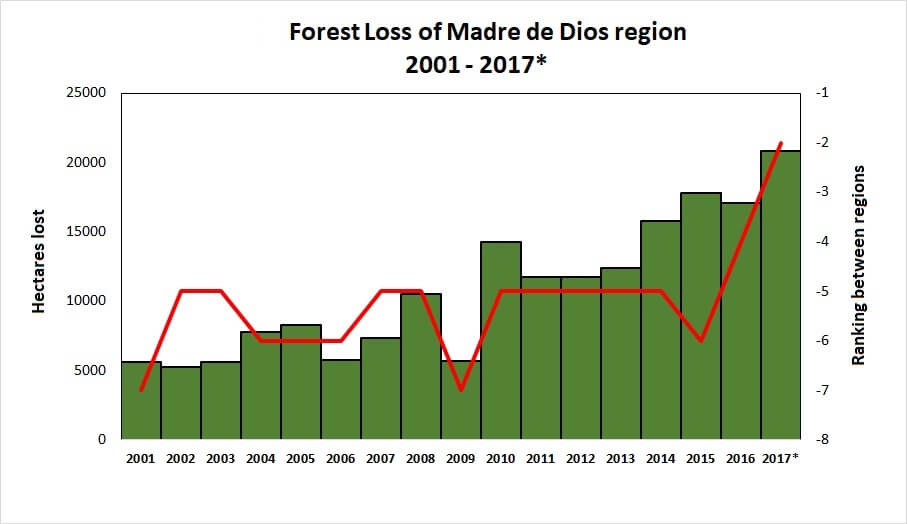
Table 75. Data: PNBC/MINAM (2001-16), UMD/GLAD (2017, until the first week of November).
Pope Francis, as part of his upcoming visit to Peru in January, will visit the Madre de Dios region in the southern Peruvian Amazon. He is expected to address issues facing the Amazon and its indigenous communities, including deforestation.
In this article, we show that Madre de Dios is experiencing a deforestation crisis, due mainly to impacts from gold mining, small-scale agriculture, and roads.
Table 76 shows the increasing trend of annual forest loss since 2001, peaking in 2017. In fact, in 2017 forest loss exceeded 20,000 hectares (49,000 acres) for the first time, doubling the loss in 2008.*
The table also shows the ranking of Madre de Dios in respect to the annual forest loss compared to all other regions of the Peruvian Amazon (see red line). For the first time, Madre de Dios is the region with the second highest forest loss total, behind only Ucayali.
Next, we present a map of deforestation hotspots in Madre de Dios in 2017, along with satellite images of a number of the most intense hotspots.
*The total estimated forest loss in 2017 was based on early warnings alerts generated by the University of Maryland (GLAD alerts) and the Peruvian Environment Ministry (PNCB/MINAM). The estimate is 20,826 hectares as of the first week of November.
What the flock?! – A quick understanding of Amazonian mixed-bird species flocks
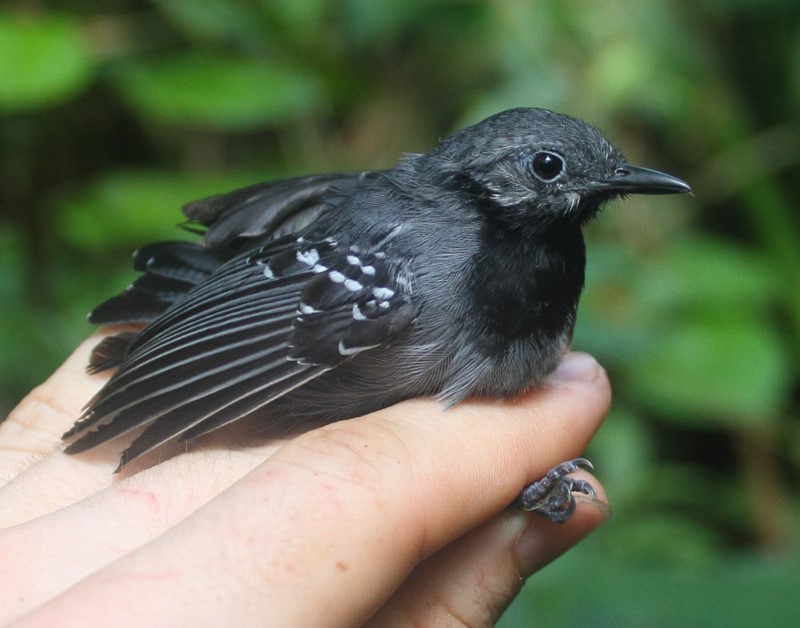
Long-winged antwren
If you spend enough time at Los Amigos, there is almost a 100% guarantee that you will learn something new about birds every day. It’s not only the high diversity that can enchant your walks at the break or end of day inside the forest, but also their behavior, different calls, colors, and attractive displays. A few weeks ago, I had the great opportunity to go birding with a passionate local bird guide and after a very active morning of spotting numerous bird species (e.g. the band-tailed manakin, gilded barbet, golden-collared toucanet, cream-colored woodpecker, and more) along floodplain forest we reached a spot close to the oxbow lake “Cocha Lobo.” There was fluttering movement all around the understory, and a variety of songs and calls of at least 20 different bird species. Just looking at an area of only 10x10m, it was clear that there were several birds perching, foraging, and flying from one branch to the other, while also carefully sighting the proximity of any possible predator. This was definitely a mixed-species bird flock (hereafter called “flock”).
Flocks are two or more bird species that move together and forage for a period longer than 5 minutes. These associations are not only common in the Neotropics but all around the world. Despite the commonality of encountering a flock, it is still easy to wonder what exactly makes these species get together? Are there any advantages of these periodic formations? There are some possible hypotheses, but they all are based around an increased feeding efficiency and protection from predators. Most of these flock species are insectivorous, and although flock’s species composition might not always be the same, there are few species that are the core of the flock, known as “nuclear” or “leader” species. Whereas, “transient” or the “follower” species are those who join occasionally to receive some benefits from being part of the flock.
Sean Williams, PhD., studied the behavior and ecology of mixed-species bird flocks at Los Amigos. Here, at least a pair of Dusky-throated antshrikes (Thamnomanes ardesiacus) and a pair Long-winged antwrens (Myrmotherula longipennis) are the “leader” species, whereas the most common “followers” are the wedge-billed woodcreeper, the white-flanked antwren, the white-eyed antwren, and the red-crowned ant-tanager. While trying to study if followers were more attracted to antshrikes, antwrens or both, Sean found that more follower species were attracted to antshrike than antwren calls, supporting the idea that antshrikes provide greater defense from predators due to their farsighted vision and loud alarm calls that can rapidly prevent other flock members from the proximity of majestic raptors, soaring high in the sky. But if antwrens are also leader species, they should provide some sort of benefit to the flock. Indeed, they might not be able to give alarm calls but their nearsighted vision allows them to quickly detect gleanable insects in between leaves and branches. Given the inextricable link between antwrens and antshrikes in flocks, antwrens could have become a critical indicator of flock presence. Essentially meaning that where there are antwrens there must be antshrikes!
Watching a flock is quite a spectacle! The next time you encounter a loud, numerous group of birds flying from perch to perch in the forest understory, grab your binoculars and enjoy the complexity and splendor of these flying living beings, but be sure to acknowledge how many passionate human beings are working to understand them in their natural environment.
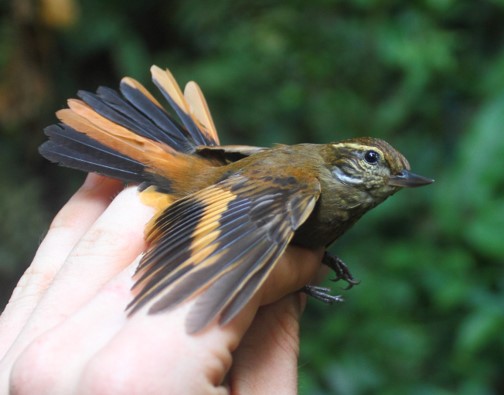
Plain xenops
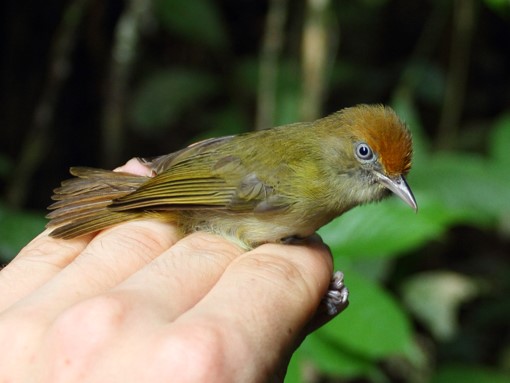
Tawny-crowned greenlet
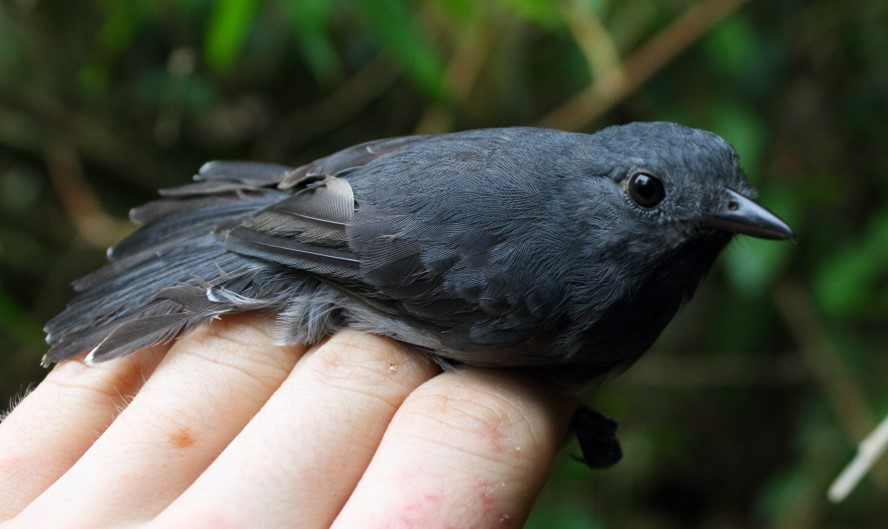
Dusky-throated antshrike
 Loading...